Everything I Needed for Homeschooling I Learned from Dealing with Chronic Pain
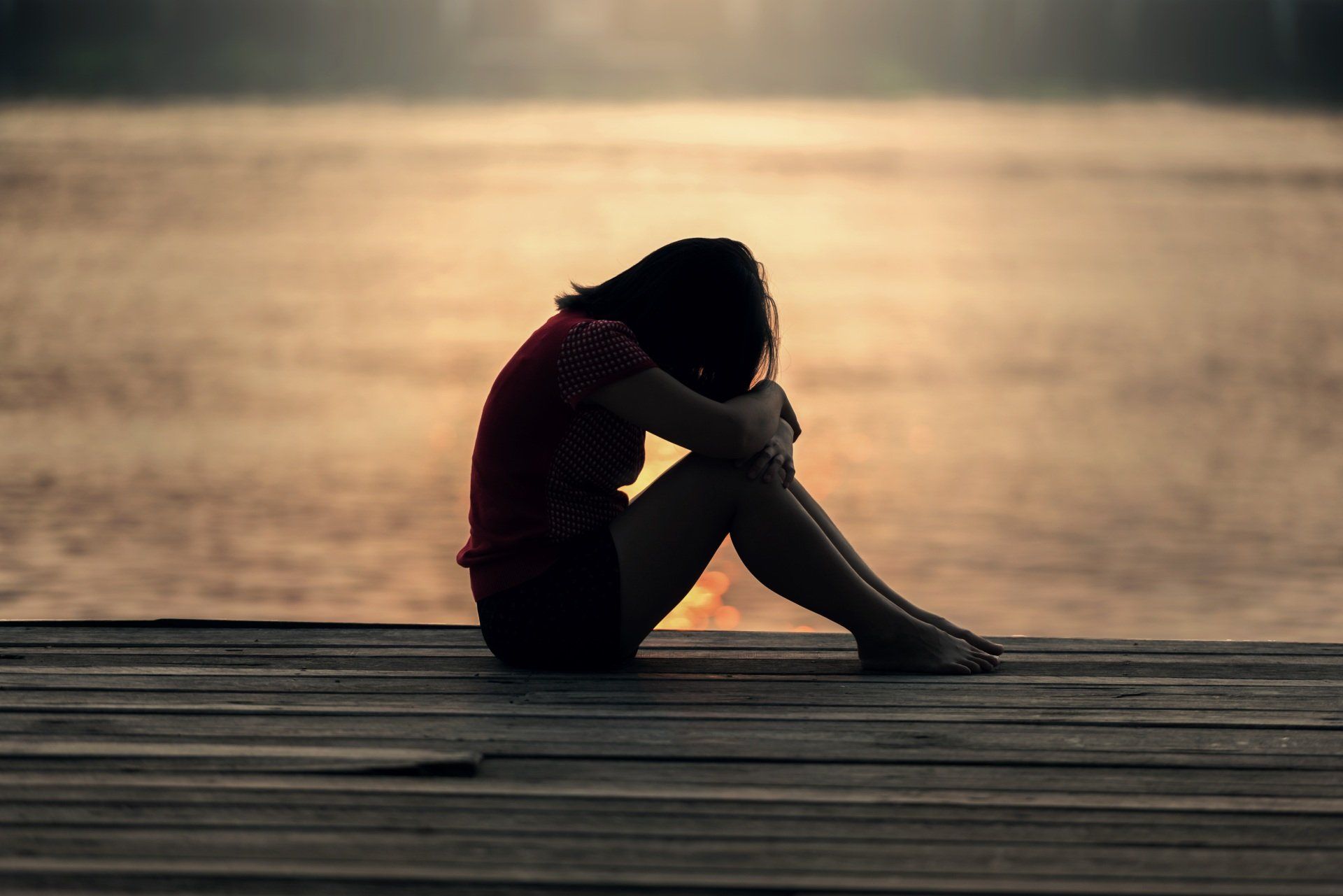
How do you discuss chronic pain without coming across as whiny, preachy, or full of self-importance?
There’s no way to clear a room faster than to bring up body aches. But what does this have to do with homeschooling? It turns out that many of the lessons I learned from dealing with chronic pain parallel successful homeschooling.
I have fibromyalgia and have homeschooled my twin, now teenage, boys for 7 years. After a horseback riding accident that resulted in a head and neck injury, I developed chronic pain at 12 years of age. Most people don’t know that about me. I don’t identify myself as a homeschooler with chronic pain (haven’t ordered that bumper sticker yet), but both are true, so I guess I am. There was a time when I wondered how I would ever be able to care for kids with all my aches, pains, and debilitating headaches, but the body and mind are amazing and even with twins I found a way around everything. Most of all, I learned what works best for my particular situation through trial and error. No matter how busy my schedule was, I learned the hard way that making time for what works is vital and saved me from becoming totally incapacitated.
When I really think about it, homeschooling has been good for my fibromyalgia, and fibromyalgia has been good for homeschooling. Everything that helps dealing with pain helps dealing with kids. This is what I’ve learned over the years (it’s not rocket science, but sometimes simplicity eludes us):
Listen to your body.
It tells you when you are pushing too hard, when it's safe to challenge yourself a little more, and when you need to be satisfied with what you've accomplished.
Listen to your kids.
When given the chance, they are brilliant at expressing what they need, when they are being pushed too hard, and when they are ready for more. Teach them the art of satisfaction and also the benefits of pursuing their interests.
Know how to help yourself.
Do what you can when you can and know when to ask for help or express when you need things to slow down and rest. Prioritize things that truly benefit your body and eliminate things that harm it.
Ask for help.
Not in a desperate or needy way, but convey you trust that person enough to show your vulnerability and that you could use a little assistance.
Fibromyalgia has helped my kids be more empathetic and independent. I have always been at risk of being a helicopter parent and doing too much all around for my kids. But sometimes I simply can’t, and that has forced my kids to learn things like making their own meals, doing their own laundry and other household chores, learning by themselves, and completing assignments for classes on their own. Backing off and giving them the chance to work through things on their own has been liberating for all of us. We are all still learning the art of enhancing independence while knowing when to turn to others for assistance.
Treat yourself with kindness.
Accept the imperfections of your body. Don't view them as a weakness but simply something to work with. Limitations mean you need to get creative to find alternatives.
I’ll state the obvious here: kids respond well to kindness and understanding. Accept your children for who they naturally are. There are some areas where we thrive and some where we wilt. Don’t try to make an artist into a scientist. Build on their inherent strengths and get creative with alternative ways to do things they are struggling with.
Be flexible.
With chronic pain you need to work on being both physically and mentally flexible. Just as stretching helps relax your muscles, loosening your fixed ideas helps you let go of unrealistic goals.
I get grandiose plans and decide my kids will love some way I’m going to approach learning, and then reality sets in and I’m met with resistance. Letting go of my big ideas and being open and flexible to my kid’s ideas usually leads to more creative, meaningful and enjoyable learning. Plus, it models to my kids how to be flexible.
Focus on your assets.
When I was first diagnosed, it was an elimination of other horrible degenerative or life threatening diseases. So the diagnosis was actually a relief, and I made a personal vow to always focus on my abilities.
It’s easy for kids to lose sight of what they’re good at. But when you remind them of their unique contributions that enrich the lives of others, you help them feel empowered and self-confident.
Make time to exercise regularly outdoors.
If there’s one thing you don’t feel like doing when you're hurting, it’s exercising. But when you realize the benefits of strengthening muscles and releasing endorphins to combat pain, not to mention the glorious feel of sunshine on the body, you get out the door even if you have to say you’ll just go one block and see how you feel.
We have an overly enthusiastic dog that brings us shoes until we take her for a walk. When we are absorbed in our own projects or consumed with too much during the day, she forces us to stop and get moving outside. We all agree that our walks are one of the best things about homeschooling. It’s when we truly have meaningful conversations and open up to new perspectives and come home refreshed after a much-needed break.
Reduce stress.
If you are hurting, ask yourself if what you are doing is really important. Knowing low stress is key, chronic pain has forced my naturally neurotic-worrying-perfectionist personality to chillax. One of the best gifts of pain is to teach you to let go, know when to ease off, and to really examine why you are doing things. Fighting and resisting will only make the pain worse. Over-scheduling is simply not an option.
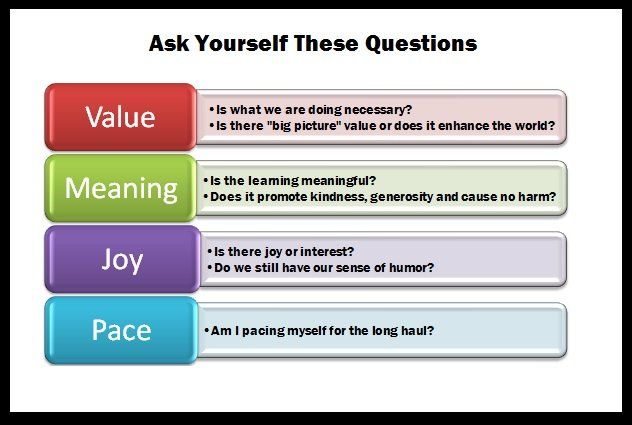
Questions to Ask Yourself...
Learning does not need to be stressful. If everyone is having tantrums and even the dog is avoiding being in the same room with you, it’s time for a change. When something isn’t working in our schooling, we always go back to these basic questions:
Is what we are doing necessary?
Will it be of value in terms of the big picture of enhancing the world?
Is the learning meaningful?
Does it promote the values of kindness, generosity and causing no harm?
Is there joy or interest?
Do we still have our sense of humor?
Am I pacing myself so I can be in it for the long haul?
Any no answer means an activity can either be let go of or done a different way to fit those requirements.
Planning our days, going with the flow, and loving learning with my kids has been the best distraction to pain I can think of. And when I have one of those days I feel like I’ve been hit by a truck, Fibromyalgia has helped my kids be more empathetic, independent and creative.
We live in a society with such high expectations and impossible standards. Chronic pain forces us to reevaluate societal norms and make self-care and patience a priority. Maybe if we could all educate our children according to these lessons, we could make this world a gentler, more joyful, less painful world.
Jeena Wolfe is an artist and writer who has happily homeschooled her twin 16-year-old boys for the past eight years with her husband. She and her family reside in Alameda, CA.
This article originally appeared in the
Homeschooler Post .