Let Winter Be Winter: Your Reset This Week

Take a pause with me before January pushes us forward...
Winter isn’t the time to push harder — even though everything tells us to.
This post-holiday season can really throw us off. We’re so conditioned to be productive and “get back to work,” even when our bodies are asking for something different.
One of the gifts of unschooling — or even just questioning the school mindset — is learning to turn down the outside noise and start noticing what we need… and what our kids need.
We’ve made it through the holiday obligations — real or imagined — and now we’re on the other side. But that in-between space can feel confusing.
So before January fully kicks in, let’s slow this down and talk about what this season is asking of us — and how to move through it without pushing or panic.
REFRAME TIME: THIS IS NOT A PROBLEM TO FIX
For a lot of people, last semester didn’t go the way they hoped.
Maybe the plan fell apart. Maybe the energy level dipped. Maybe the kids pushed back harder than we expected.
Meanwhile, the internet is full of photos and reels of happy homeschooling families — kids always eager, matching outfits, spotless houses, everyone smiling on cue. And sure, a few people may actually be living that version.
But most of us aren’t.
A semester that felt
less than stellar doesn’t mean anything went wrong.
It usually means something wasn’t lining up — the expectations, the energy, the season of life your family was actually in.
And
now, as the calendar flips, there’s an added layer.
Our nervous systems are being told it’s time to reset, refocus, and get productive again — even if our bodies and our kids aren’t there yet.
But Winter has never been a season of pushing.
Still, most of us were taught to override that — to power through, reset goals, and prove we’re being productive.
There’s no rule that says you need a shiny reset, a new system, or a perfectly mapped-out plan by January 2nd though.
Unschooling quietly asks us to do something very different.
Instead of sorting our experiences into “success” or “failure,” unschooling asks us to
notice.
To pay attention.
To gather information.
When something feels off, it doesn’t mean it was wrong — it means we learned something.
About energy levels.
About timing.
About expectations.
Unschooling is an ever-evolving way of moving through the world — with your kids, and with real life and all the curveballs it throws your way.
We try things.
We notice what helps and what doesn’t.
We adjust.
We pivot.
That’s not failure — that’s how individualization actually works.
And that voice in your head that says,
“I’m being inconsistent,” or “Look how those plans are falling apart,”
isn’t telling the truth.
What’s really happening is that
you’re learning to be responsive.
You’re adjusting expectations to fit your real lives.
You’re becoming more intentional about tuning into your family — and letting go of what traditional systems insisted mattered more.
LET THIS BE “WINTER WEEK” OR “NOTICING WEEK”
So instead of fixing anything right now, I want to offer a different idea.
What if this week — just this week — was your
Winter Week?
Or your Noticing Week?
No catching up.
No planning the year.
No pressure to make January look impressive.
Just noticing.
Notice:
– What your kids are drawn to right now
– Where conversations linger
– When connection shows up easily
– What feels nourishing instead of draining
Winter gives us permission to slow it all way down.
And unschooling works best when we’re actually seeing what’s in front of us — not what we think
should be there.
Reflection
It’s interesting how uncomfortable reflection can feel — especially when we’re tired or discouraged. A lot of us move quickly past it, because slowing down means seeing things more accurately... without the guilt or the stories we’ve been telling ourselves.
I think part of that comes from how we were conditioned in school. You do the work, someone else evaluates it, you get a grade, and then you move on. The assessment comes from outside of you.
But life doesn’t actually work like that. And unschooling definitely doesn’t.
There’s no External Grader. No single right answer. No final verdict.
When we rush to the next plan or the next idea, we often miss the most useful information — the why.
...Maybe the project fell flat because everyone was hungry.
...Maybe the idea didn’t match your kids’ interests.
...Maybe the timing was off.
None of that is a problem to fix — it’s data to notice.
Reflection gives us those small details we need to course-correct gently. But that only happens when we slow things down enough—and let go of the urgency to “get it right” and move on.
REASSURANCE:
When we rush past reflection, everything blurs together.
We tend to remember how something
felt — not what was actually happening underneath.
And the truth is, we’re not always accurate when we’re remembering things through stress or fear.
I can’t tell you how many times parents say,
“He’s on his devices from the moment he wakes up until he goes to sleep.”
And when we slow down and look more closely, that’s not actually true.
- He went to sports practice.
- He rode his bike.
- She wandered into the kitchen to help with a holiday craft.
- She stopped by to chat while the brownies were in the oven.
Those moments matter — but fear has a way of flattening them out.
When we’re worried, our brains start telling a much simpler story than real life is actually offering.
That’s why slowing down matters so much.
Not to minimize concerns — but to see clearly.
Reflection gives us the chance to gently ask, “Is this really true?”
And often, the answer is more nuanced— and more hopeful— than our first impression suggested.
And this Winter break sometimes gives us “permission” to slow down and notice more.
Those quieter truths are easier to see when we’re not rushing around.
Unschooling Tools
If reflection feels hard to do on your own, I’ve created tools specifically for unschooling families. Use them this week to slow down and notice more. It will help you regain your balance and see things more accurately.
- The New Year's Guide will help you look back at the year and see all the progress you and the kids made.
- The Kids' Video Interviews helps the kids look back in a fun way.
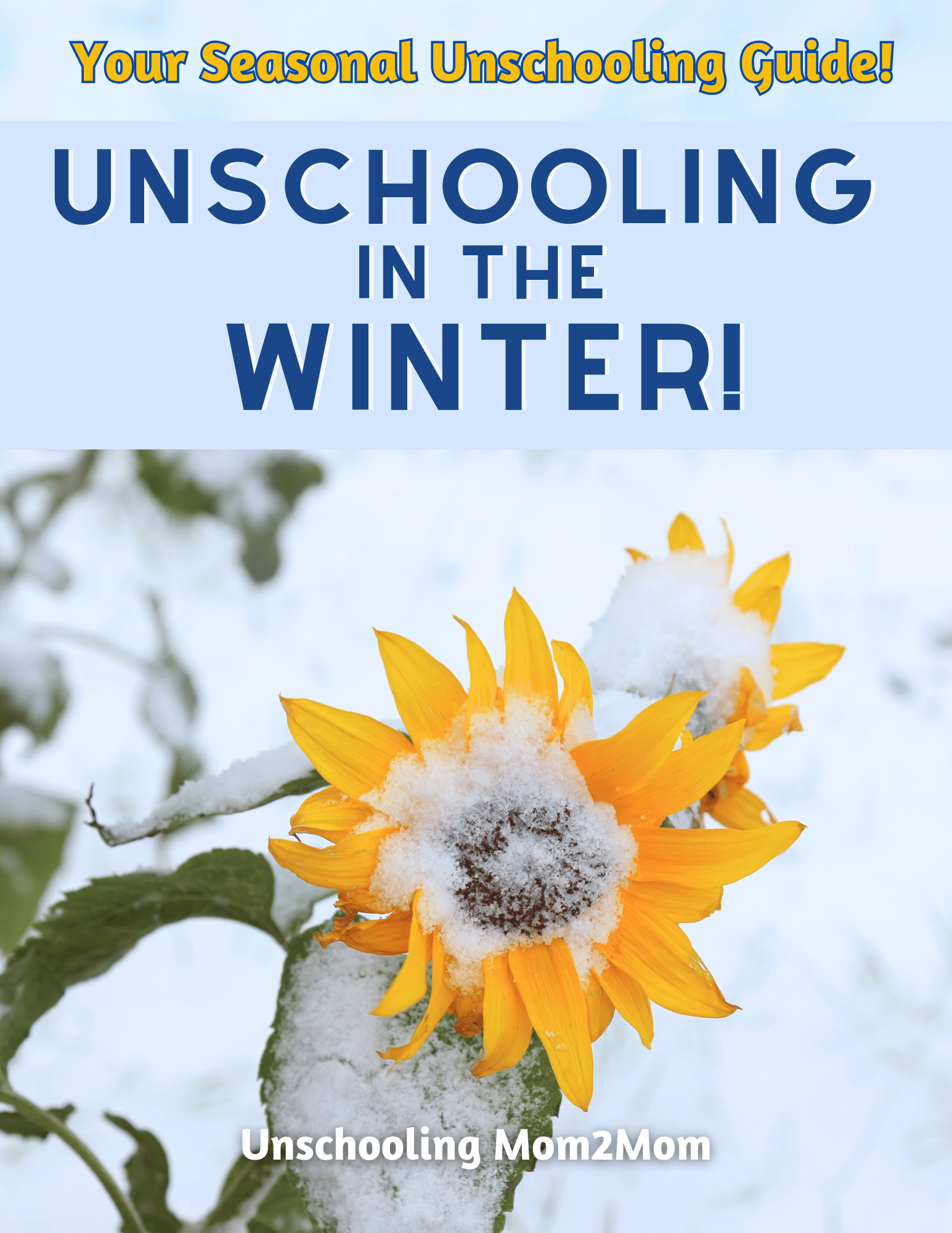
- Seasonal Unschooling Guide: Winter will help you SEE the learning in everyday winter activities!
- Season Pass for the Membership is a great deal to get support for the months ahead.
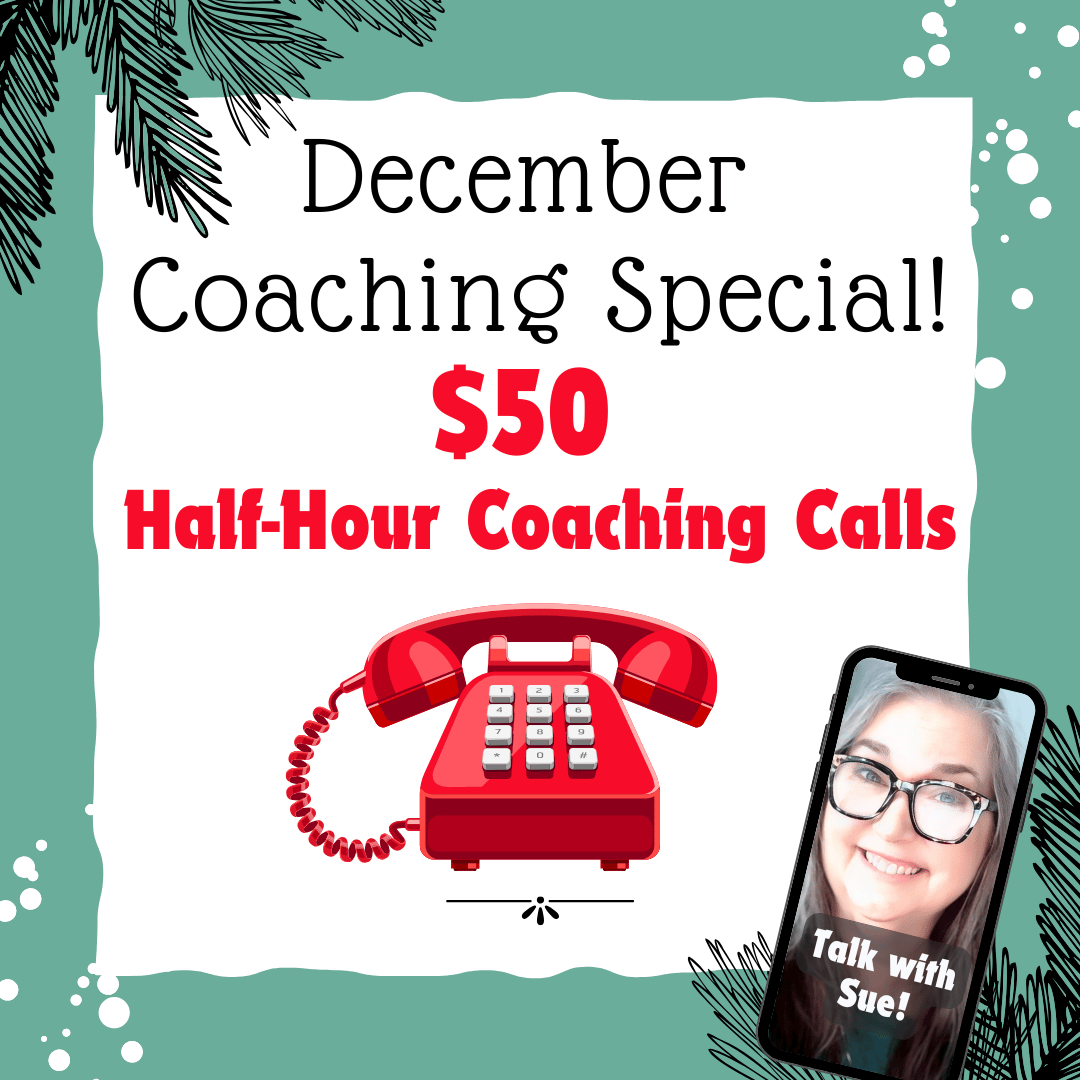
- Discounted Coaching Calls are available - sign up in December and we can talk in January if you prefer!

And next week, I want to talk about something I hear all the time:
“I want to do more… but I feel lost.”
We’ll walk through that together — and I’ll give you practical next steps that don’t turn your days into school.
You don’t have to have it all figured out — just stay connected.
Subscribing to the podcast or the youtube channel is one easy way to do that.
I’ll talk to you again soon.