Unschooling: It's Personal
Whenever people ask me about "this unschooling thing," I'm pretty darn quick to point out that I was unschooled myself, as was my younger sister. I want people to have that understanding before the discussion really gets going, because such conversations usually come from one or two perspectives: genuine curiosity or curiosity of the look-at-that-train-wreck variety.
You know the kind - the hang-their-head-out-the-car-window gawkers, the neck-craners, the "don't take this personally, I love the whole 'idea' of unschooling, but I want my children to grow up to...". Fill in the blank with one of the following goals:
- Be educated.
- Get into college.
- Know how to read.
- Learn to do things they don't want to.
- Not be lazy.
- Be able to get a job.
- Handle a schedule.
- Respect authority.
- Be well-rounded.
- Make goals and achieve them.
Whoa! Just go ahead and back the bus up right there.
I want those same things for my children!
My parents wanted them for me and my sister.
What's important to recognize is that many paths can be taken to reach these goals.
For me and my sister, we began our homeschooling journey back in the olden days... otherwise known as the '80s.
Our parents pulled us out of public school when I was to start 9th grade, and my sister, 4th grade.
For that first year, we muddled about. We loosely used A.C.E.'s PACES work texts. (Extra emphasis on "loosely." Not so much emphasis on "used.") The work didn't seem to take much time but it also seemed silly, trite, and artificial. To use a word us Charlotte Mason groupies are familiar with, it was a whole lot of “twaddle.” And
highly recommended twaddle to boot. Nonetheless, we did it to do it, to get it done, and it took us maybe a couple of hours a day. And then we were free!
Sometime during that first year, my parents dragged us along with them to a homeschooling workshop where Dr. Raymond and Dorothy Moore were speaking. I personally don't remember much about what was shared there by the Moores, but I certainly do remember the changes that came soon after.
"Use their interests."
That was the mantra my father came away with from the workshop. Those were the words that struck a chord and seemed to resonate deeply within him, and so we switched from using the curriculum to an entirely interest-led, unschooling approach.
I do remember wondering if we had simply stopped "homeschooling,” because nothing seemed to jive with my publicly-schooled expectations.
And yet, I certainly didn't want it to change back.
For me, the formal curriculum we dropped was replaced with
- part-time jobs at our local vet clinic and library,
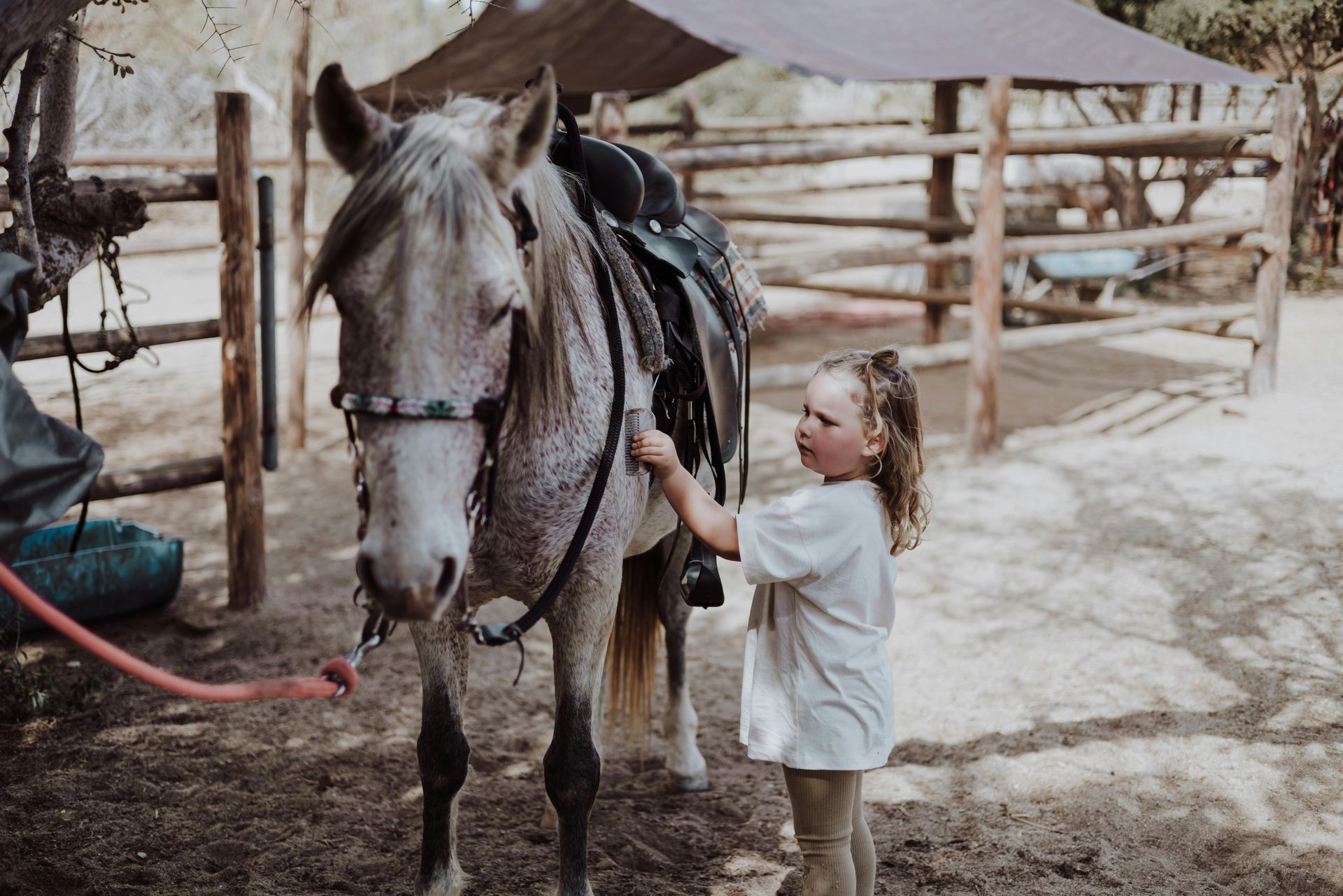
- time spent exploring outside and taking care of my wildlife menagerie,
- hours upon hours poring over books I'd chosen from the library on a wide variety of topics (castles, zoology, wildlife rehabilitation, Biblical archaeology, serial killers, forensics, acting, movies, etc.).
- There were drama classes, auditions, plays, and a couple of classes at the local community college.
Real, hands-on, meaningful learning experiences. Nothing silly, trite, or artificial.
In the end, my sister and I both went on to college, obtaining degrees in our fields of interest. Yes, some of what we did occasionally looked pretty traditional. Most of what we did, however, looked nothing like anything resembling a traditional education.
Back then, my parents weren't aware of any "label" to describe our method for learning. We simply did what we did. My mom and dad always gave a very simple explanation of how we homeschooled:
that they encouraged us girls to follow our interests.
And that we did. Passionately.
I think I turned out okay. Normal. Mostly, anyway.
I'm certainly not a train wreck.
Because of my personal experience with unschooling, I feel confident and secure in how my own children learn.
Here are a few things I've learned:
- 90% of what parents stress about and push their kids to do academically in the name of "homeschooling" is entirely unnecessary. I’m secure in this knowledge. I know that the same goals can be achieved without all that.
- You have complete control over the how and why. You can change things, drop activities ? tweak it all.
- At any point in time, and for your own reasons, you can take a step back, and wait for the next step.
- You can take a deep breath, relax, and enjoy your children. You can let them be children.
- You can partner with your kids, giving them freedom, flexibility, and control when it comes to their learning, and they will turn out more than just okay. They will flourish. They will thrive.
So back to that list from above ...
I've had a number of people ask curious questions about, share their personal opinions on, and even offer warnings as to the failures and even dangers of unschooling and relaxed, interest-led homeschooling.
I absolutely love, love, love sharing my experiences with the curious who truly want to learn more.
But I grow weary of defending or debating what, how, and why we do what we do, because I know from my own experience that unschooling works.
Unschooling has been a deeply personal experience,
and a magnificent and inspiring one at that.
Rebecca Taberski is a second generation unschooling mom to three goofy, nature loving, sports obsessed kids. Their time is spent living life together and passionately pursuing interests and goals. At her blog, Down a Rabbit Trail, Rebecca shares about homeschooling & unschooling, interest-led learning, incorporating aspects of the Charlotte Mason method, and an abundance of nature study into our learning lifestyle. Originally published in the
Homeschooler Post, August 2015.