
Screens & Gaming
HELP WITH SCREENS & GAMING
Unschooling, Screen Time & Gaming
Your child loves gaming, watching videos, or spending time with friends online. You see how much they enjoy it, but you’re worried about how it fits into their learning and the rest of their life. Conversations about stopping can turn into arguments, and other people’s opinions add to the pressure.
“Screen time” doesn’t tell you much about what your child is actually doing. Making a video, playing with friends, researching an interest, and watching a show are different activities—even when they happen on the same device.
Sue Patterson helps parents look beyond the screen, understand their children’s interests, and work through concerns without making technology a constant source of conflict.
START WITH THE CHILD
Rethinking Screen Time
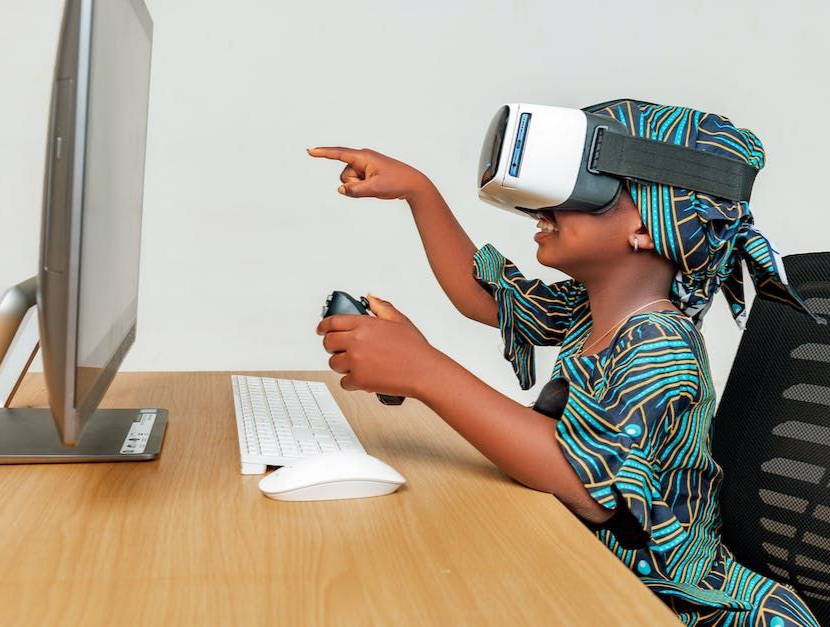
When you count every activity on a device as one thing, it’s easy to miss the learning, creativity, and relationships involved. Your child could be solving a problem, practicing a skill, sharing a project, or spending time with people who matter to them.
Start by asking what they’re doing, who they’re talking with, and what they enjoy about it. Sit beside them. Let them show you. You don’t have to become a gamer to take their interests seriously.
That understanding gives you a better starting point for discussing the parts that concern you.
WHEN TECHNOLOGY BECOMES A WORRY
It’s Hard to Help When You’re on Opposite Sides
Repeated arguments about devices can leave your child expecting criticism and you expecting resistance. It becomes harder to talk about what’s happening online—or to work together when something needs attention.
Your relationship matters here. Staying interested in your child’s online world helps keep you someone they can come to with questions, uncomfortable experiences, and problems. You’re better able to help when you understand what they value.
Does this Sound Familiar?
- “What if gaming is all they want to do?”
- “How much screen time is too much?”
- “Why does stopping always become a battle?”
- “Are their online friends really friends?”
- “How do I know whether they’re learning?”
- “How do I help them stay safe online?”
WHEN YOU NEED SUPPORT
You Don’t Have to Work Through This Alone
The question is usually about more than a device. You’re worried about your child’s future, missing time together, or tired of having the same argument.
Talk through what’s happening with someone who understands unschooling. Sue’s resources and support help you recognize what your child gets from technology, look at the concerns that remain, and find ways to respond that keep you connected.
FIND YOUR NEXT STEP
Get Help With Screens & Gaming
Unschooling Guide: Technology
If you're struggling with your kids' screentime, this guide is the practical tool you need! Includes research, journaling, ways to say things to the kids - everything!
Creating Confidence Community
Screen time worries can make it hard to see what your child enjoys online. Bring your questions to Sue and connect with parents exploring gaming, digital friendships, and learning through technology.
Private Coaching
with Sue
Talk through concerns about screens, gaming, or tension around technology in your family. Sue can help you understand your child’s interests, examine your worries, and explore ways to build connection.
What Changes When You’re Not Alone
Hear directly from families who have found confidence, connection, and steady support inside Unschooling Mom2Mom.

"Sue brings years of unschooling and homeschooling experience to her coaching. She is a fantastic listener who is gentle and non-judgmental. I found it invaluable to have someone to speak to whom I could bounce off about my fears, frustrations, and general questions."
-Tracy C, Kentucky
Button-
"Even though I had never met Sue, talking on the phone with her was like meeting an old friend. I left feeling reassured that there is a way to make this work for my family; even if it is hard sometimes, I can do it. Thank you, Sue!"
-Hilary, Arizona
Button -
"I feel so much joy each week after our coaching call. There are so many real, lovely, loving people in Sue's groups - and that is because of who she is."
- Becky, Oregon
Button -
"I wanted to work with someone more experienced to support my decision and reassure me during our transition to unschooling. I needed help staying in compliance with my school district. I needed more confidence in my decision too."
-Stevie, Virginia
Button -
"I wanted to send a big THANK YOU to let you know that I’m glad I found Sue! She does a magnificent job helping families around the world and in the sweetest and educational way possible!"
-Vane, Venezuela
Button -
"Sue, you have such great wisdom and practical advice. I LOVE your relaxed approached about learning and life. You help take the anxiety out of unschooling/homeschooling."
- Vanessa, Georgia
Button
Learn More About Screens & Gaming
But What About...?
Questions About Technology & Gaming
How much screen time is too much?
The number of hours doesn’t explain the whole situation. Look at what your child is doing, what draws them in, and how the activity fits into their days. Those details give you something specific to discuss and respond to, rather than treating every use of technology as the same problem.
Can children learn through video games?
Yes. Depending on the game, children can encounter strategy, problem-solving, reading, resource management, creativity, and collaboration. Get to know the games your child plays. You’ll see more by watching and asking questions than by judging the activity from across the room.
Get this FREE PDF to help you learn more!
What if my child only wants screens?
"Screens" is not a monolith. It's a way that kids access play, creativity, communication, storytelling, research, problem-solving, and genuine friendship. Looking closely at what a child is doing is more useful than treating every screen experience as identical.
That does not mean parents ignore health, relationships, sleep, or the needs of the household. It means concerns are addressed with curiosity and collaboration rather than fear alone.
Read more here: Will My Kid Be Ok if They Play Games All Day?
Are online friends real friends?
Yes. Shared interests, regular conversations, support, and experiences together can build meaningful friendships online. Pay attention to the quality of the relationship: respect, trust, care, and how your child feels around these people.
Read more here: Are Online Friends "Real Friends?"(Parents' Guide to Gaming Friendships)
Why is it so hard for my child to stop gaming?
They may be in the middle of a challenge or playing with people who are relying on them. An abrupt interruption can be difficult. Learn where the stopping points are, give advance notice when possible, and discuss transitions when neither of you is already frustrated.
Read More: Why Screentime Turns Into a Battle?
Does a strong reaction mean my child is addicted?
A difficult transition alone doesn’t establish addiction. Sue encourages parents to look at patterns over time and understand the context around intense moments. Her article explores that concern without reducing it to how upset a child becomes when asked to stop.
Read More: Addicted to Technology?
How do I help my child stay safe online?
Keep conversations about their online experiences open. Help them protect personal information, recognize uncomfortable interactions, set boundaries, and ask for help. Taking their friendships and interests seriously makes it easier for them to bring concerns to you.