
When Your Kid Won’t Get Off Screens: Why It Turns Into a Battle
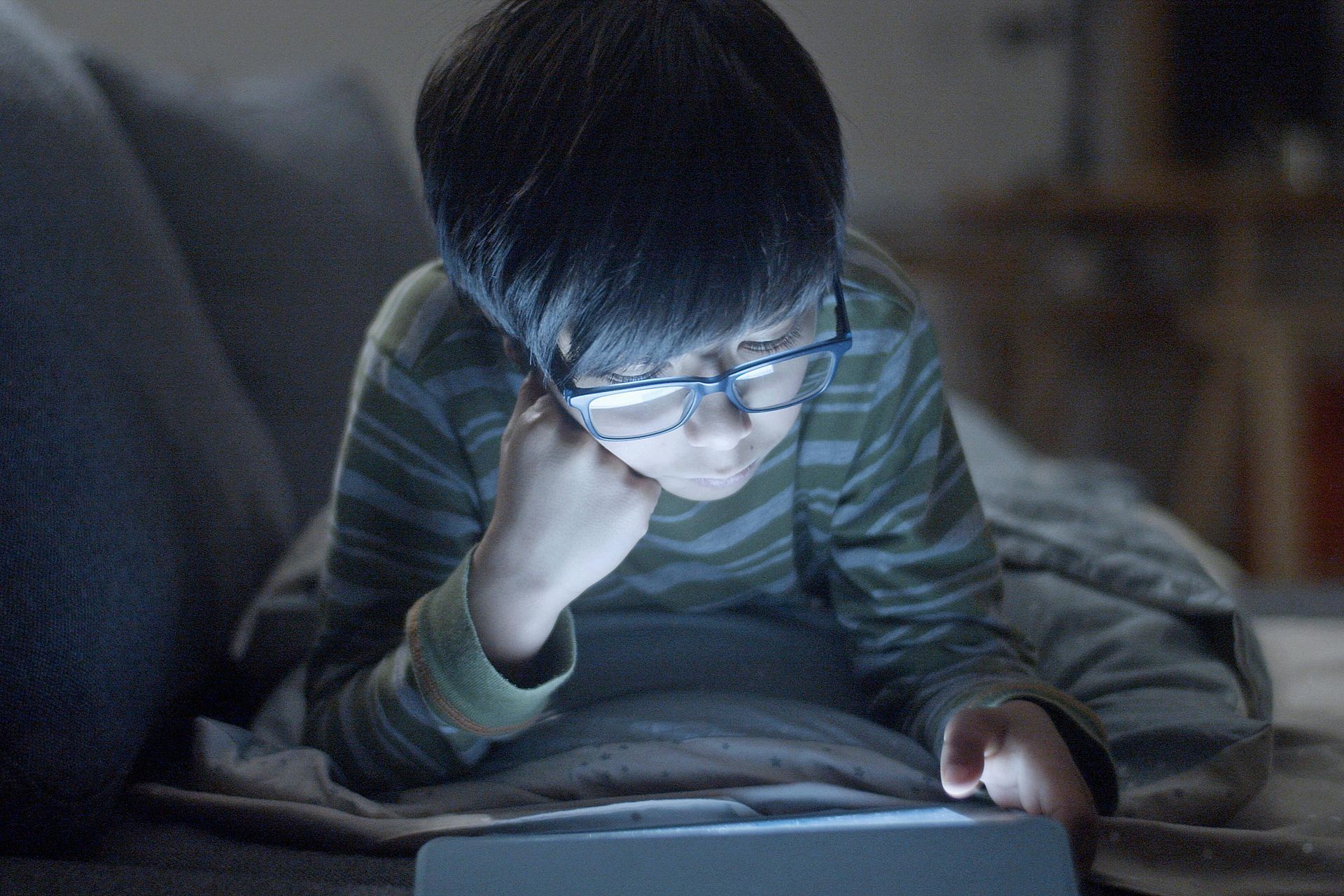
It usually doesn’t start as a fight.
You ask them to get off. Maybe it’s time to eat, or you need to leave, or it just feels like they’ve been on long enough. You expect some resistance, but you’re not expecting it to turn into what it sometimes does.
They say “just a minute,” and you can tell they don’t really mean it. You wait a bit, then ask again, and now there’s frustration in their voice. By the third time, the whole tone has shifted. What started as a simple request now feels like a standoff.
And you’re standing there wondering how it got this big this quickly.
How It Turns Into a Pattern
These moments tend to repeat in ways that feel familiar.
You start to anticipate the resistance before it even happens. They start to expect that you’re going to interrupt them. There’s a kind of tension that shows up earlier each time, even before anything is said out loud.
What used to be a small moment becomes something you both brace for.
It’s not just about getting off the screen anymore. It’s about what happens every time that request is made, and how both of you feel going into it.
What Your Child Is Experiencing
From your side, it can feel like they’re ignoring you or choosing the screen over everything else. From their side, it often feels like they’re being pulled out of something they’re deeply in the middle of. That difference matters more than it might seem at first.
When a child is fully engaged, especially in something interactive like gaming, their attention isn’t sitting on the surface waiting to be redirected. It’s layered in. They’re tracking what’s happening, responding in real time, and holding onto multiple pieces of information at once.
Being asked to stop doesn’t just feel like stopping.
It can feel like being dropped out of something they haven’t finished yet.
Why It Escalates So Quickly
When those two experiences meet, things tend to escalate.
You’re asking them to step away because it feels necessary. They’re resisting because it feels abrupt or unfinished. Neither side is wrong, but neither side feels understood either.
That’s where the frustration builds.
The more it happens, the faster it happens. The reaction shortens. The tone shifts sooner. What used to take three reminders now takes one. And over time, it starts to feel like you’re always interrupting something important, and they’re always pushing back.
The Part That Hurts More Than the Screen
This is usually the part that sticks.
It’s not just that they didn’t get off when you asked.
It’s the way they responded. The tone, the frustration, the feeling that you’re suddenly on opposite sides of something that shouldn’t feel like a battle. You might find yourself replaying those moments later, wondering if you handled it wrong or if something needs to change.
Because it doesn’t feel good to be in that dynamic over and over again.
What Starts to Shift Things
The shift doesn’t usually come from finding the perfect rule or consequence.
It starts with understanding what’s actually happening in those moments, on both sides.
When you can see that your child isn’t just “refusing,” but struggling to transition out of something they’re deeply in, your response naturally starts to change. Not because you’re letting everything go, but because you’re working with what’s real instead of reacting to how it looks from the outside.
That might mean giving more time than you would have before. It might mean helping them find a stopping point instead of asking them to stop immediately. It might mean talking about transitions at a different time, when neither of you is in the middle of it.
None of those things are complicated.
But they come from a different place.
What Connection Looks Like Here
Connection in these moments doesn’t mean agreeing with everything or never asking them to stop. It means staying aware of what’s happening for them while you’re also holding what needs to happen in the day. That can look like sitting next to them for a minute and asking what’s going on instead of calling out from another room. It can look like acknowledging that it’s hard to stop, even while still needing them to move toward something else.
Those small shifts change how the interaction feels. They don’t remove all resistance, but they lower the intensity.
When It Still Feels Hard
Even with that understanding, there are still going to be moments where it doesn’t go smoothly.
There will be times when you’re tired, when you’ve already asked more than once, or when you just need something to happen now. There will be times when they push back more than you expected or when the tone shifts before you even have a chance to adjust. That’s part of this. It’s not something you solve once and move on from.
Having Somewhere to Work Through It
These are the kinds of moments that don’t usually feel clear while they’re happening. You’re in it, trying to get through the interaction without making it worse, and by the time it’s over, you’re left with that unsettled feeling that something didn’t quite go the way you wanted it to.
Maybe it’s later that day, or even the next morning, when you start replaying it. What you said, how they reacted, whether there was a different way to handle that moment that you just couldn’t see at the time. That’s usually where the questions come back.
Not big, abstract ones. Just small, specific ones about that exact moment.
That’s also why I created the Creating Confidence Community. Because these situations don’t happen in theory. They happen in real time, and they’re hard to sort through on your own after the fact.

Inside the community, those conversations are happening all the time. Parents bring in moments just like this, something that happened that day or the day before, and we slow it down together. On the live coaching calls twice a week, I help guide those conversations so you can see what’s actually happening underneath the surface, not just react to how it felt in the moment.
When you’ve had the chance to look at a moment like that more clearly, something shifts.
The next time it starts to build, you recognize it a little sooner. Your response comes from a slightly different place. Not perfect, not completely different, but enough to change how it unfolds.
It Stops Feeling Like a Battle
There’s a point where you realize it didn’t turn into the usual back-and-forth. You still asked. They still hesitated. It wasn’t perfectly smooth. But it didn’t build in the same way it used to, and you’re not left with that same heavy feeling afterward.
It’s a small difference at first. Easy to miss if you’re only looking for big change. But it shows up in how the moment passes through instead of sticking, and in how you both move on from it without carrying it into the rest of the day.
That’s usually when it starts to feel a little less like something you have to manage, and a little more like something that’s shifting on its own.
Common Questions About Screen Time Battles
Why does my child get so upset when I ask them to get off screens?
It can feel sudden from your side, but for them it often isn’t. They’re usually in the middle of something that hasn’t finished yet, and being asked to stop can feel more like being pulled out than choosing to leave. That doesn’t make the reaction easier, but it helps explain why it shows up so quickly.
Why does it turn into a fight every time?
Because both of you are coming into that moment with a different experience of what’s happening. You’re looking at the bigger picture of the day, and they’re in the middle of something that feels immediate. When those don’t line up, it’s easy for things to escalate before either of you has time to adjust.
Should I just let them stay on longer to avoid the fight?
Avoiding the fight doesn’t usually solve the underlying dynamic. What helps more is understanding what’s happening in those moments so your response can shift, even slightly. That tends to change how the interaction unfolds over time.
How do I get my child off screens without it turning into a battle?
There isn’t one approach that works every time, especially in the moment. What tends to help is noticing when transitions are hardest and finding ways to support those moments before they escalate, rather than trying to force a clean stop once they already have.
Is this a sign of screen addiction?
It can look intense, especially in the moment, but intensity and addiction aren’t the same thing. Looking at patterns over time usually gives you a clearer picture than reacting to a single moment that felt difficult.