The Structure Kids Actually Need
What my trip to France reminds me about structure....
Structure is different when you’re traveling, right?
Or maybe that’s just my excuse this week.
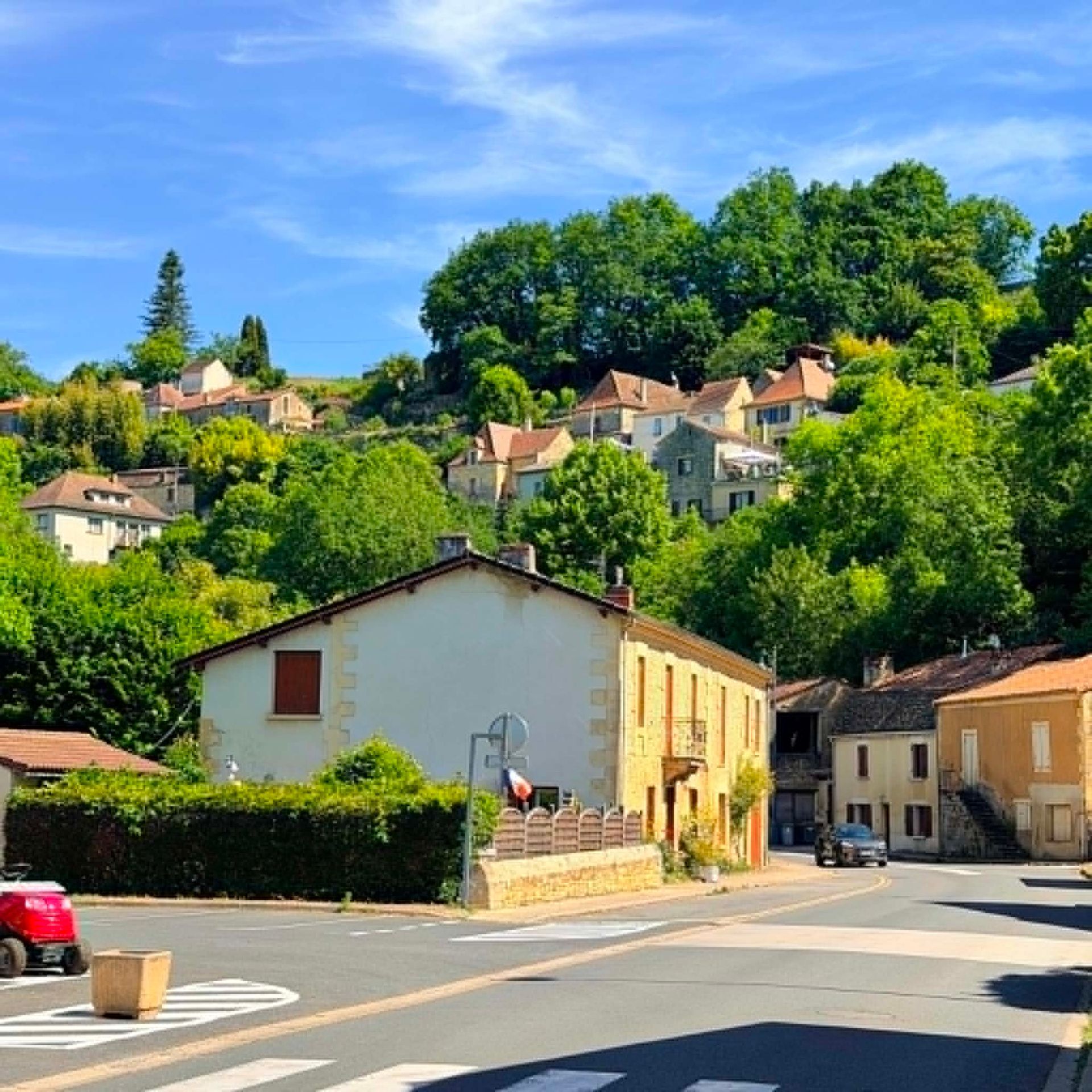
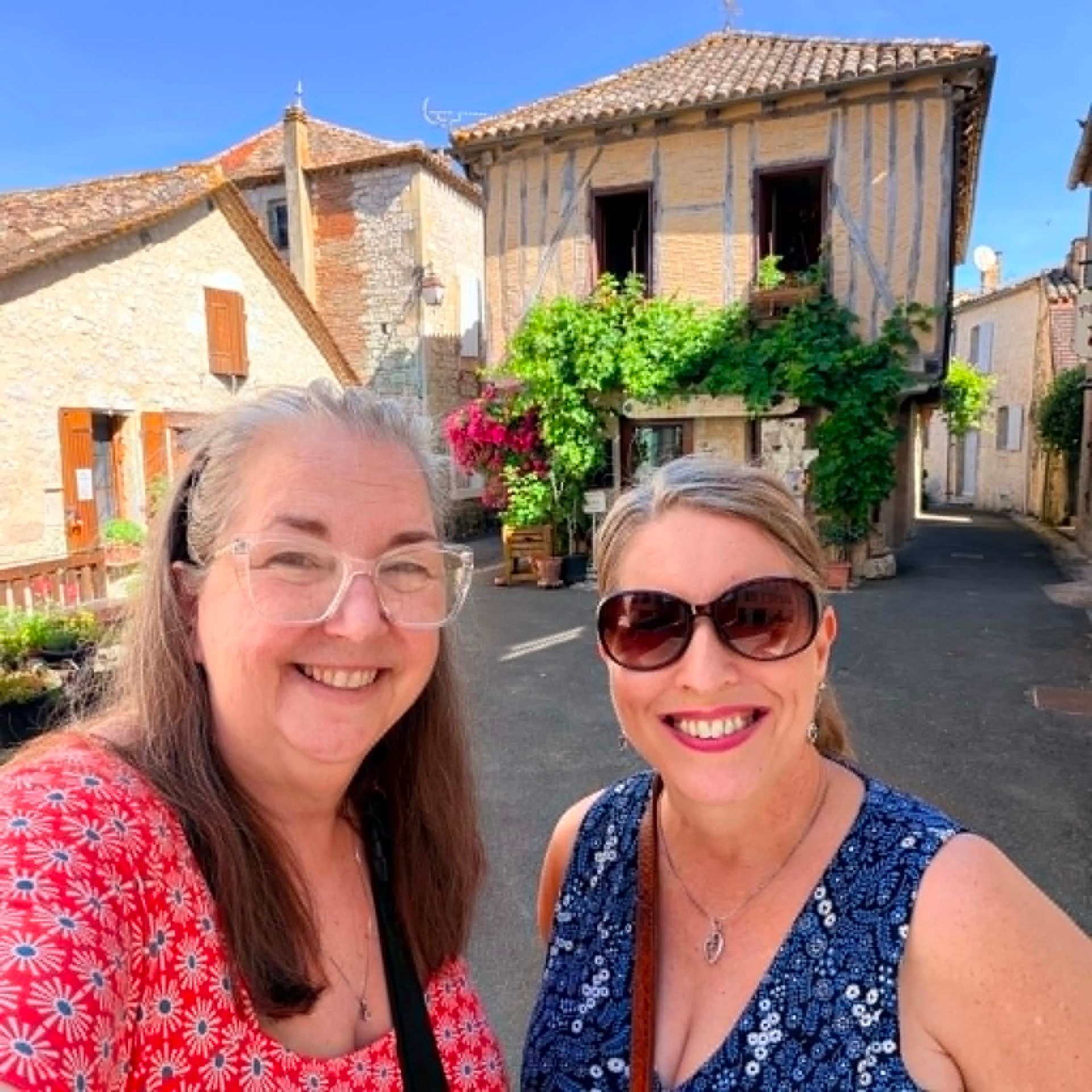
We sleep in — because we can — and because we hoped to wander to a market in the mornings before it gets hot.
Turns out, that’s a little trickier than we thought. Markets happen in different towns on different days, and the one that was supposed to be in Couze-et-Saint-Front on today. We couldn’t even find it.
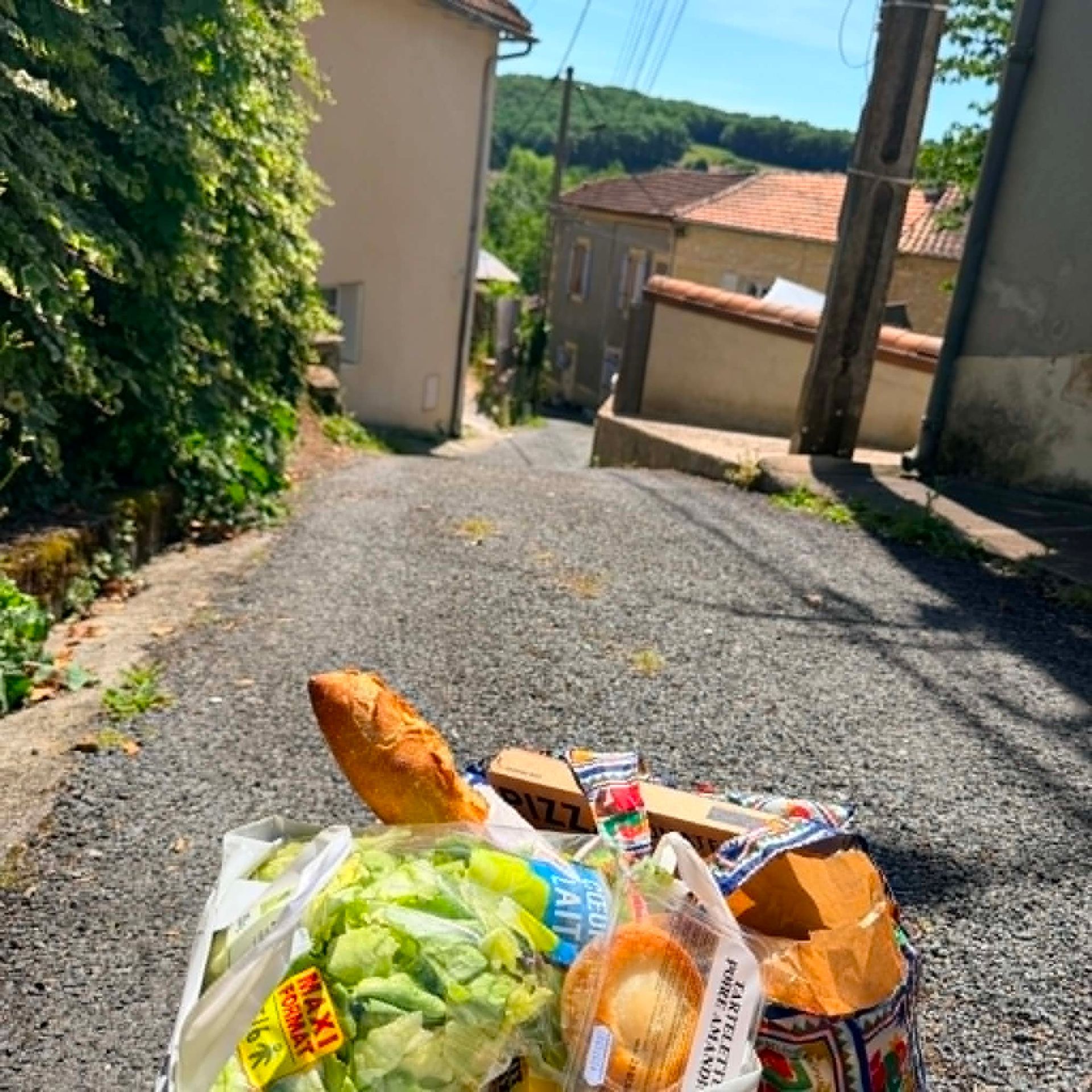
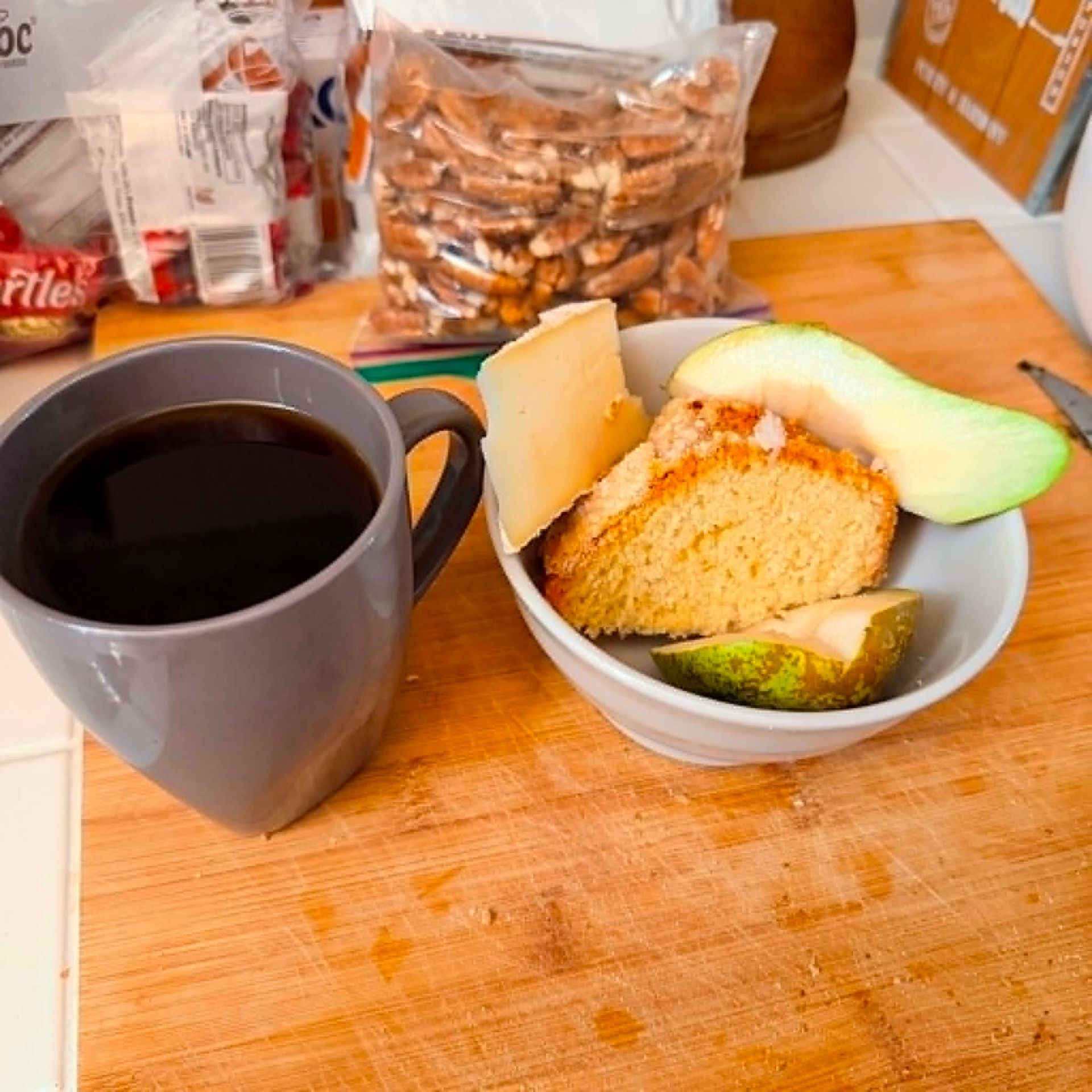
No worries. The Intermarché a short drive away had everything we needed: fresh bread, jam, eggs, beaucoup fruits and vegetables... even a lawn chair, a straw hat, and sunglasses for tomorrow’s château excursion.
Flexibility is the name of the game today.
Honestly, it always is.
And you don’t have to go to France to discover that things rarely go exactly as planned, right?
When “More Structure” Becomes the Default Advice
Which feels like as good a time as any to revisit the phrase people love to throw around:
“Kids need structure.”
Structure, in and of itself, is not the be-all and end-all solution to anything.
Just because hourly schedules feel familiar from our own school days doesn’t mean they automatically work for real life.
And if you prefer strict structure, it’s worth wondering:
How much of that comes from conditioning?
Your kids haven’t spent 12 years learning to feel comforted by bells, transitions, and externally imposed timelines. No wonder they look at "structure" a little differently.
What If Structure Already Exists?
What if, instead of imposing a structure someone else says matters, you started noticing the structure already happening naturally in your family?
How do your kids move through mornings, afternoons, and evenings?
When is their energy high — or low?
How much transition time do they need between activities?
What if those patterns became the foundation?
Because when people say, “Kids need structure,” they’re often incredibly vague.
That vagueness is part of what makes the statement feel universally true.
The Kind of Structure That May Matter Most
Of course we all need some structure:
- eating when we’re hungry,
- sleeping when we’re tired,
- getting to the things that matter to us.
But that kind of structure can stay flexible. Responsive. Adaptable to the actual humans living inside it.
Maybe the structure kids really need has less to do with rigid schedules and more to do with knowing the adults around them are reliable. That someone can help them navigate a world that sometimes feels uncertain or overwhelming.
Who says structure has to be anything more than what’s needed right now?
Or what’s needed next?
You’re Not Starting From Scratch
One of the things I shared this week inside the Creating Confidence App might help you too:
You’re not building structure from scratch
— or copying it from "everyone" else.
You’re learning to notice what’s already there.
Get daily voice notes from me — even while I’m off gallivanting around Europe.
FAQ: Structure, Kids, and Unschooling
Do kids really need structure?
Kids often benefit from predictability, connection, and support — but that doesn’t always mean rigid schedules or tightly managed routines. Many families find that flexible rhythms work better than strict timetables.
What’s the difference between structure and routine?
Structure is the overall framework that helps family life function. Routines are the repeated patterns inside that framework. Some routines happen naturally without needing to be heavily enforced.
Can unschooling families have structure?
Absolutely. Unschooling doesn’t mean chaos or the absence of rhythm. Many unschooling families develop consistent patterns around meals, sleep, outings, interests, and family connection — but in ways that remain adaptable to real life. Structure, schedules, and unschooling
What if my child resists schedules?
Resistance can sometimes be a sign that a schedule feels externally imposed, too rigid, or mismatched to a child’s energy and needs. Observing natural rhythms can help create more cooperative flow. It helps to talk with other unschooling parents navigating these same situations: Creating Confidence Membership Community
How do I create structure without being controlling?
Start by noticing what already works:
- when your child naturally rests or engages,
- what transitions are difficult,
- and what kinds of support help things go smoothly.
Structure often grows more sustainably from observation than from enforcement.
Read More:
The Life Prep Your Kids Really Need