When Screen Time Feels Like Addiction: What’s Actually Going On With Kids and Gaming

There’s a point where it stops feeling like a question and starts feeling like a problem.
You’ve asked them to come eat a few times already. Maybe you’ve walked into the room, stood there for a second, tried to catch their attention without interrupting too abruptly. They barely respond, or they say “just a minute” without really looking away.
When you do push a little more, the shift is fast. Frustration, irritation, sometimes a full shutdown. And suddenly it feels like you’re not just asking them to pause something, you’re pulling them away from something they can’t seem to leave.
That’s usually when the thought shows up.
This is too much.
And from there, it’s not a big jump to wondering if it’s something more serious.
When It Starts to Feel Bigger Than Screen Time
What makes these moments so unsettling isn’t just how long they’ve been on a screen.
It’s the feeling that you’re losing access to them while they’re in it.
You might notice how hard it is to get their attention, how quickly things escalate when you interrupt, or how the rest of the day seems to revolve around getting back to that one thing. It can start to feel like everything else is secondary.
That’s the part that makes it feel different.
Not just a preference. Not just something they enjoy.
Something that seems to have a pull you don’t fully understand.
The Moment Where It Starts to Spiral
This is where a lot of parents get stuck, even if they don’t say it out loud. Because it doesn’t just feel like a lot of screen time anymore. It starts to feel like something you’re responsible for managing before it gets worse.
You might find yourself thinking about what you should be doing differently. Whether you’ve let it go too far. Whether you need to step in more clearly, even if you’re not sure what that looks like yet. There’s a kind of urgency that creeps in here.
And once that urgency is there, it’s hard to see anything else clearly.
What You’re Seeing, But It’s Easy to Miss
When everything feels intense, your attention naturally goes to the hardest parts of it.
How long they’ve been on.
How hard it is to interrupt.
How quickly things fall apart when you try.
But if you stay with it a little longer, there are usually other pieces sitting right alongside that.
The level of focus they’re holding. The way they stay with something even when it’s frustrating. The problem-solving that’s happening moment to moment, even if you don’t fully understand the game itself.
If other people are involved, there’s often a layer of connection there too. Conversations, shared goals, and navigating social dynamics in real time. It might not look like what you expected social interaction to look like, but it’s still there.
And sometimes, especially after a full or scattered day, there’s a kind of settling that happens in those spaces. A place where things feel predictable and manageable.
None of that erases the parts that feel hard.
But it does make the picture more complete.
Why “Addiction” Feels Like the Only Word That Fits
When something feels this intense, your brain tries to organize it quickly. It looks for something that explains the pull, the resistance, the way everything else seems to fade into the background.
“Addiction” is the word most people already have for that. And once it’s there, it changes how everything feels. It stops being something you’re observing and starts feeling like something you need to act on immediately. Something that could get worse if you don’t step in.
That shift is what makes it hard to slow down.
Slowing It Down Enough to Actually See It
Slowing this down doesn’t mean ignoring what you’re seeing or convincing yourself it’s fine.
It means giving yourself enough space to understand what’s actually happening before deciding what it means.
That can be as simple as paying attention to when the intensity shows up most. Not just what they’re doing, but what’s going on around it. What the day looked like before, how they are afterward, and how they move in and out of it over time.
You might start to notice patterns you didn’t see before.
Not answers, exactly. But more context.
And that context matters, because it gives you something to respond to besides the initial reaction.
Where Your Response Starts to Matter
When things feel this intense, it’s easy for your response to come from that same place.
You want to interrupt, redirect, or pull things back quickly, partly because it feels urgent and partly because you don’t want things to keep going in a direction you don’t understand. But those moments are also where your child feels the shift the most.
They feel when you’re unsure. They feel when something about what they’re doing doesn’t sit right with you. And that can turn what might have been a small moment into something bigger on both sides.
This is where things can start to loop.
More intensity leads to more reaction, which leads to more resistance, and suddenly it’s not just about the screen anymore.
When You Don’t Feel Sure What to Do
This is one of those places where it’s really hard to feel steady on your own.
Because it’s happening in real time, in your house, and there isn’t a clear point where you get to step back and figure it out first. You’re responding while it’s already unfolding.
And even if you’ve thought a lot about screens, this kind of moment can still catch you off guard.
It helps to have somewhere to take it that isn’t reactive or disconnected from what you’re trying to do.
A place where you can describe what actually just happened and not have to defend your approach first. Where the people you’re talking to understand the bigger picture and are working through their own versions of the same thing.
That’s the kind of space the Creating Confidence Community is built around. . You’re not getting quick opinions or surface-level advice. You’re talking through real situations with people who are aligned with you, with guidance that helps you come back to your child feeling more clear and less reactive.
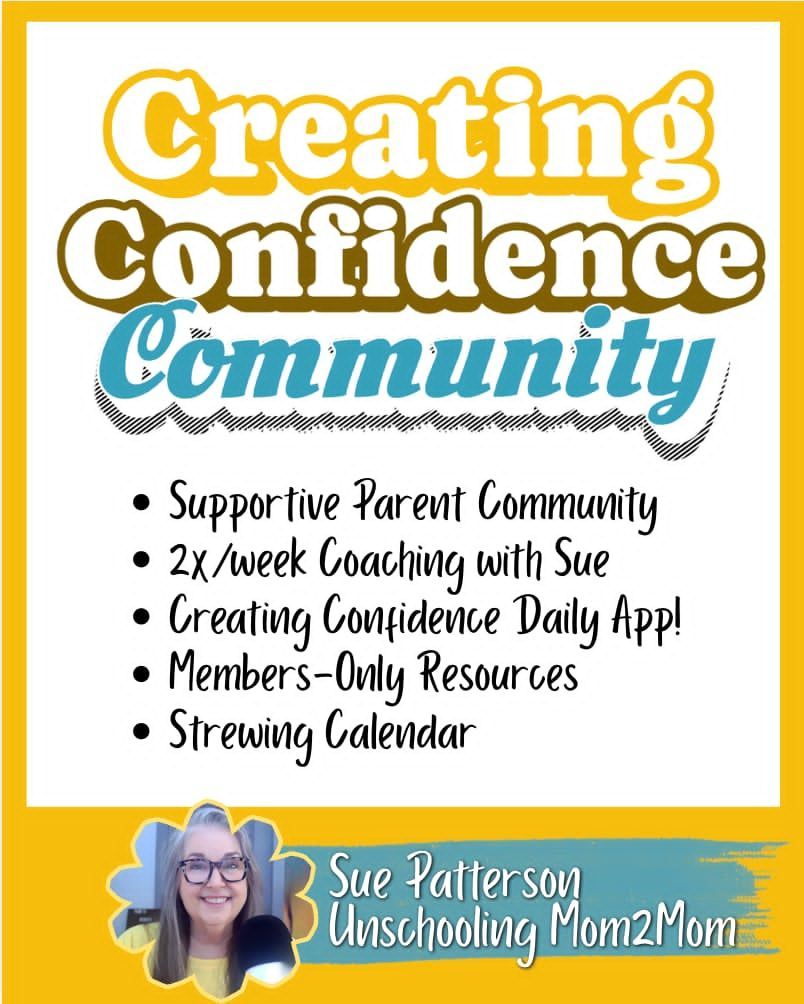
Most of the time, you’re already in the middle of it when you realize how intense it feels. There isn’t a clean moment where you get to step back and figure out the “right” response first. Having somewhere to take those moments afterward, or even while they’re still fresh, makes a difference. It gives you a way to sort through what actually happened so you’re not holding all of it on your own.
It Doesn’t Feel This Intense Forever
At first, these moments can feel like they define everything. They’re the loudest part of the day, and they’re usually what stays with you afterward, especially when you’re lying there replaying how it went and wondering if you should have handled it differently.
Over time, something begins to shift, and it’s usually quieter than you expect. It’s not that those moments disappear, and it’s not that they suddenly feel easy. It’s that you start to see more of what’s happening around them and underneath them.
You notice how your child moves in and out of it. You start to recognize what draws them in, what makes it harder to step away, and what helps them come back out of it again. The picture fills in, and it doesn’t feel quite as narrow as it did before.
Those intense moments still happen. There are still days where they catch you off guard or feel harder than you expected. But they don’t take over in the same way, because you’re not only seeing the intensity anymore.
You’re seeing more of the whole picture, and that changes how much weight those moments carry when they do show up.