The Life Prep Your Kids Really Need

Are we preparing kids for real adulthood — or just preparing them to succeed in school?
Sue Patterson explores the life skills that truly matter as kids grow into adults: adaptability, confidence, communication, problem solving, emotional regulation, and initiative.
Through an unschooling lens, she shares why real-world experiences, play, curiosity, gaming, technology, and pursuing interests may prepare kids for adult life more effectively than grades, curriculum, or checklists alone.
What Really Prepares Unschooled and Homeschooled Kids for Adulthood?
A lot of parents worry about whether their kids are prepared for adulthood.
And I think we may be measuring the wrong things.
I’m leaving for Europe tomorrow and I keep thinking about what actually prepares people for adult life.
I’m Sue Patterson and this is the Unschooling Mom2Mom podcast. My three unschooled kids are all grown now, each on very different paths, but they all felt prepared for adult life — even though we took a pretty unconventional approach to education and parenting.
Now I spend my time helping other parents untangle these same fears and questions — through this podcast, my writing, and inside my Creating Confidence community where we keep having these conversations together in real time.
Are We Measuring Adult Readiness the Wrong Way?
But what I’ve really been thinking about this week ...is how travel makes you think about navigation - and communication and flexibility as well as confidence during uncertainty - all the things we talk about here all the time!
So when parents are busy worrying about kids gaps, grades, transcripts — or whether they’re using the “right” curriculum — I think it’s worth pausing to ask what actually matters most when you become an adult.
What Skills Do Adults Actually Need?
When you’re navigating something unfamiliar or trying to solve a real problem, it’s usually not about whether you memorized enough facts at the right age. Most information is available to us pretty quickly now.
Think about your own adult life.
- Did learning your times tables by ages...8 or 10 make a difference on whether you could adapt to new surroundings or problem solve some issue that surfaces?
- Couldn’t that "gap".. like where is the Nile river or how many wives did Henry the 8th... couldn’t that be solved by a simple google search?
- Doesn’t adulthood — successful adulthood — really rely more on taking initiative, not waiting for someone to tell you what to do next?
Confidence, flexibility, communication, curiosity, problem solving — those take time and real-life practice to develop.
THESE are the real priorities.
Why Parents Worry About Gaps, Grades, and Screen Time
And we get distracted with all these expectations that school said mattered. And since most of us had no choice in being there or not, we had to learn how to make that work. And learning how to accept what we were told DID make our lives a little easier when we were in that school setting. But now, as I’m looking back, did it really PREPARE you for what the real world was going to be like after that?
My kids all came back for Mother’s Day this past weekend and nowhere in those conversations did anyone say,
“I wish you had pulled out the algebra textbooks for me.”
We talked about career paths and relationships and how to pivot or just create the life you want.
They had a lot of gaming, social media was taking off, AND they had lots of other things going on.
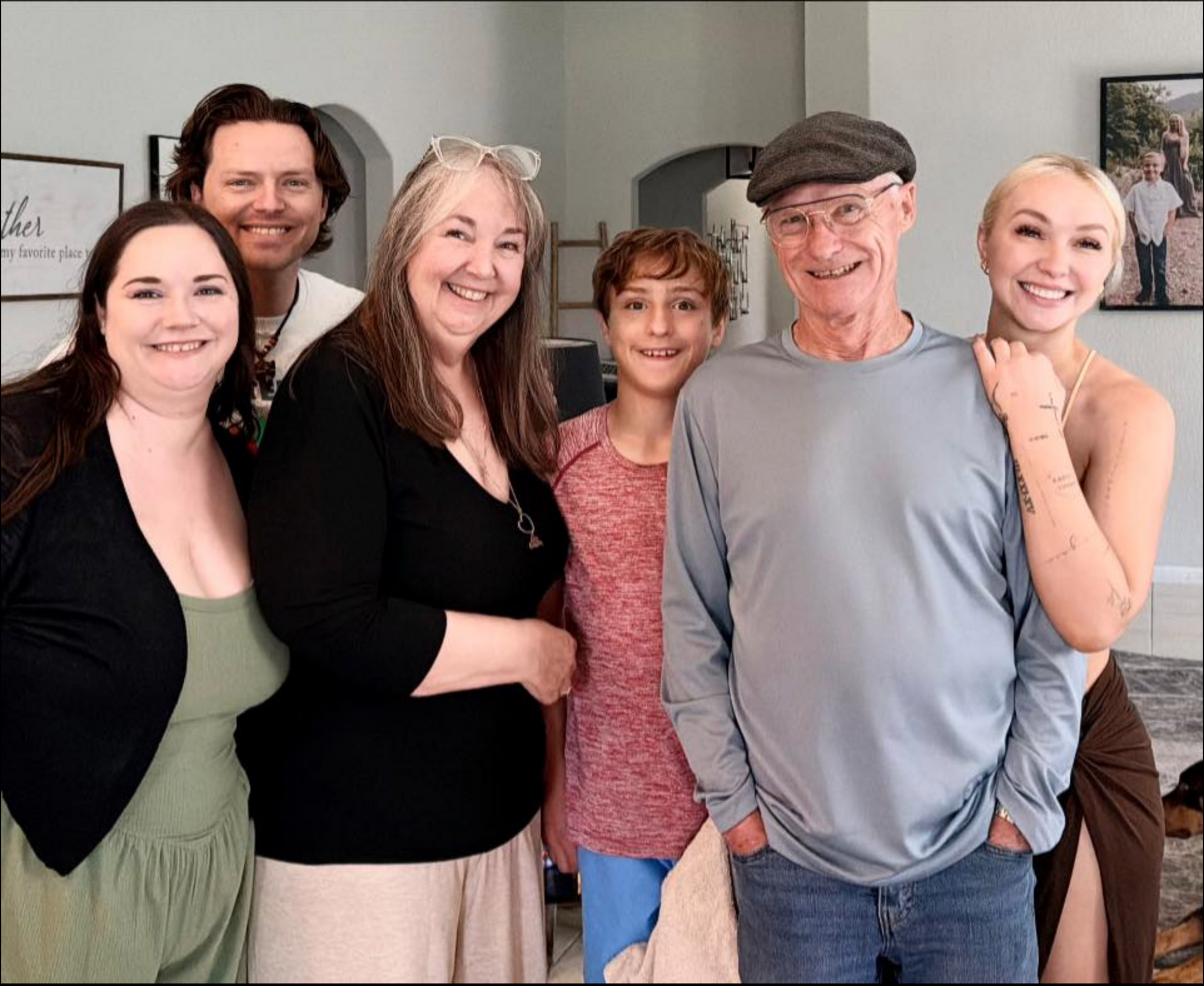
It’s funny, when I talk to parents on our coaching calls, they sound worried about the amount of time their kids spent on their devices. And the more they talk, we discover their kids are ALSO
- meeting friends at the park or the pool,
- doing projects
- following interests out in the community.
But our brains don’t want us to look there.
Our brains just do that confirmation bias thing of looking for proof that “All they do is screentime!”
In the Creating Confidence Community...
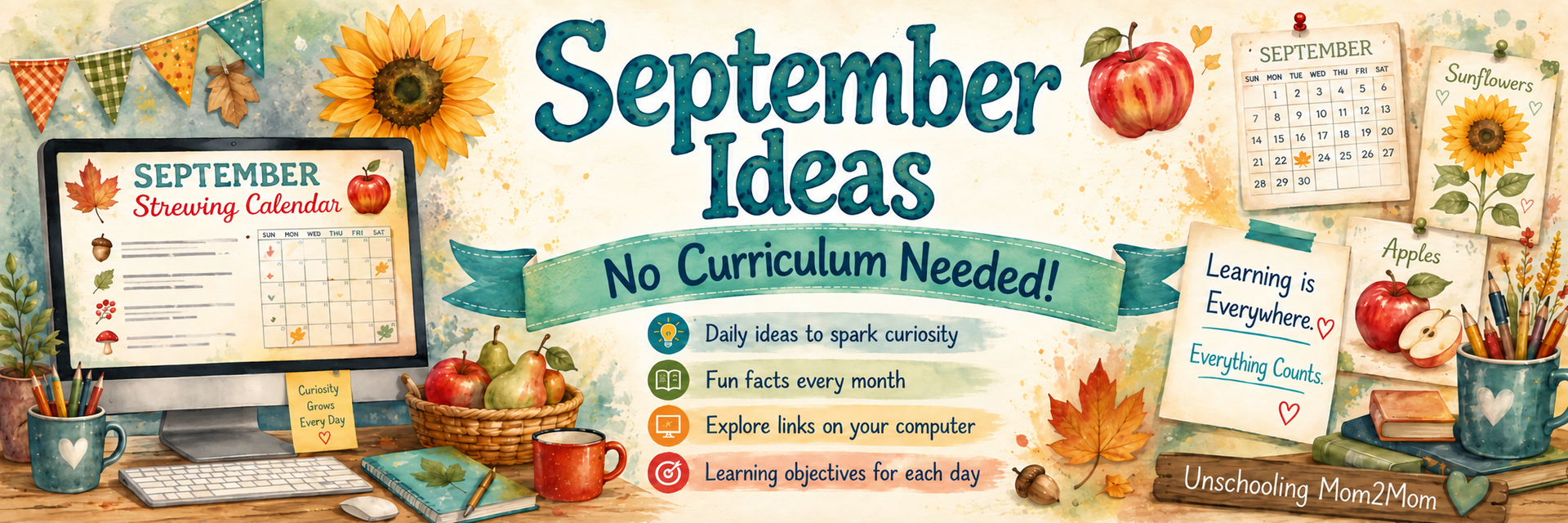
June = Focus on Technology
And even as I say that, some kids are spending a LOT of time on tech stuff, so...
that’s what I’m focusing on in June — in the
membership group as well as on the
daily app!
I want to share ways to talk to them or engage with them that will lead to more connection while still letting them pursue their interests. I can help you avoid a few power struggles.
I’ve already recorded 30 days of me in your ear, offering a little reassurance as well as suggestions of things to try!
And - in the community while I’m off in Europe - I have a 19 year old unschooled gamer who just graduated last week from college with his bachelor’s degree in communication and he did it with scholarships! He’s coming to talk about what his life really looked like and offer some ideas for how to help parents REALLY set their kids up for success.
May = Structure + Guest Speaker!
And in the next 2 weeks, his mom is coming to talk about how she GOT him into college with all those scholarships - without making him stop all the gaming or buckle down to a traditional high school approach!
She’ll also talk more about
Play, and how it’s at the root of helping kids explore their interests and making unschooling work.
All of that ties into this month’s topic of
Structure - and how unschoolers navigate this.
I’ll leave links for the membership community and the app, because I really want you to get the support that will help you let go of some of those fears that are holding you back.
You probably just need a few more unschooling voices in your life, right?
Why Unschooling Can Prepare Kids for Real Life
At the beginning of the podcast, I was talking about things we need as adults: problem solving, adaptability, initiative, emotional regulation.
And the more I think about it, the more I see how experiences like play, pursuing interests, gaming, technology, real-world problem solving, and following curiosity give kids opportunities to practice those very things we say we want for adulthood.
They don’t always grow best through checklists or somebody else deciding what should matter most every hour of the day.
They often grow through living real life - and you as the parent, right there with them giving them the scaffolding they’re needing. When you can get more confident with an unschooling approach, it’s baked into your daily life! Play gives kids the opportunity to strengthen these kinds of muscles.
Real world experiences ARE the curriculum
you’ve been looking for.
Gaming, Technology, and Real-World Learning
And, even as I say all of that, I know how hard that is to do.
I didn’t start out as some unconventional parenting advocate. I was a mom from the suburbs, managing tball and tiger cubs. And what helped me more than anything was being around other unschooling parents sharing what worked and seeing if that could work for us too. Those knids of ongoing conversations and brainstorming happens in our
Creating Confidence community and I want that for you too!
SO!
As I’m out there navigating all the uncertainties of international travel, my little gîte (the french word for air bnb) has wifi. So I’ll be checking in with you all!
May and June - structure and technology - two areas that are major speed bumps for parents!
I have so much waiting for you in there to help you navigate your own path.
Happy Unschooling - Take care.
I’ll see you soon!

Frequently Asked Questions
→ Does unschooling actually prepare kids for adulthood?
Yes — when it’s grounded in real-life experiences, unschooling can build skills like problem solving, adaptability, communication, and initiative that are essential in adult life.
→ What life skills matter most for adulthood?
Skills like emotional regulation, flexibility, communication, confidence, and the ability to solve problems in unfamiliar situations matter more than memorized academic facts.
→ How do unschooled kids learn responsibility?
Responsibility develops through real-world experiences, natural consequences, pursuing interests, and gradually increasing independence over time.
→ Is screen time a problem in unschooling?
Screen time can be part of learning and connection. The key is understanding how kids are using technology, not just how much time they spend on it.
→ Can kids succeed without traditional schooling?
Many unschooled and self-directed learners do succeed in college, careers, and life by building motivation, curiosity, and real-world skills outside traditional systems.
→ What’s more important than curriculum for preparing kids for adulthood?
Experiences that build confidence, adaptability, curiosity, and problem-solving skills are often more important than following a set curriculum.