
Socialization
FRIENDSHIPS & LIFE IN THE COMMUNITY
Unschooling and Socialization
“What about socialization?” is often the first question you hear when you mention unschooling. You want your child to have friends, feel comfortable with other people, and know how to navigate the world.
School isn’t the only place those things happen. Shared interests, community activities, online friendships, and everyday interactions give children opportunities to connect and learn about life with others.
Get help looking at what your child needs, finding opportunities that fit, and responding to the questions other people bring to your decision.
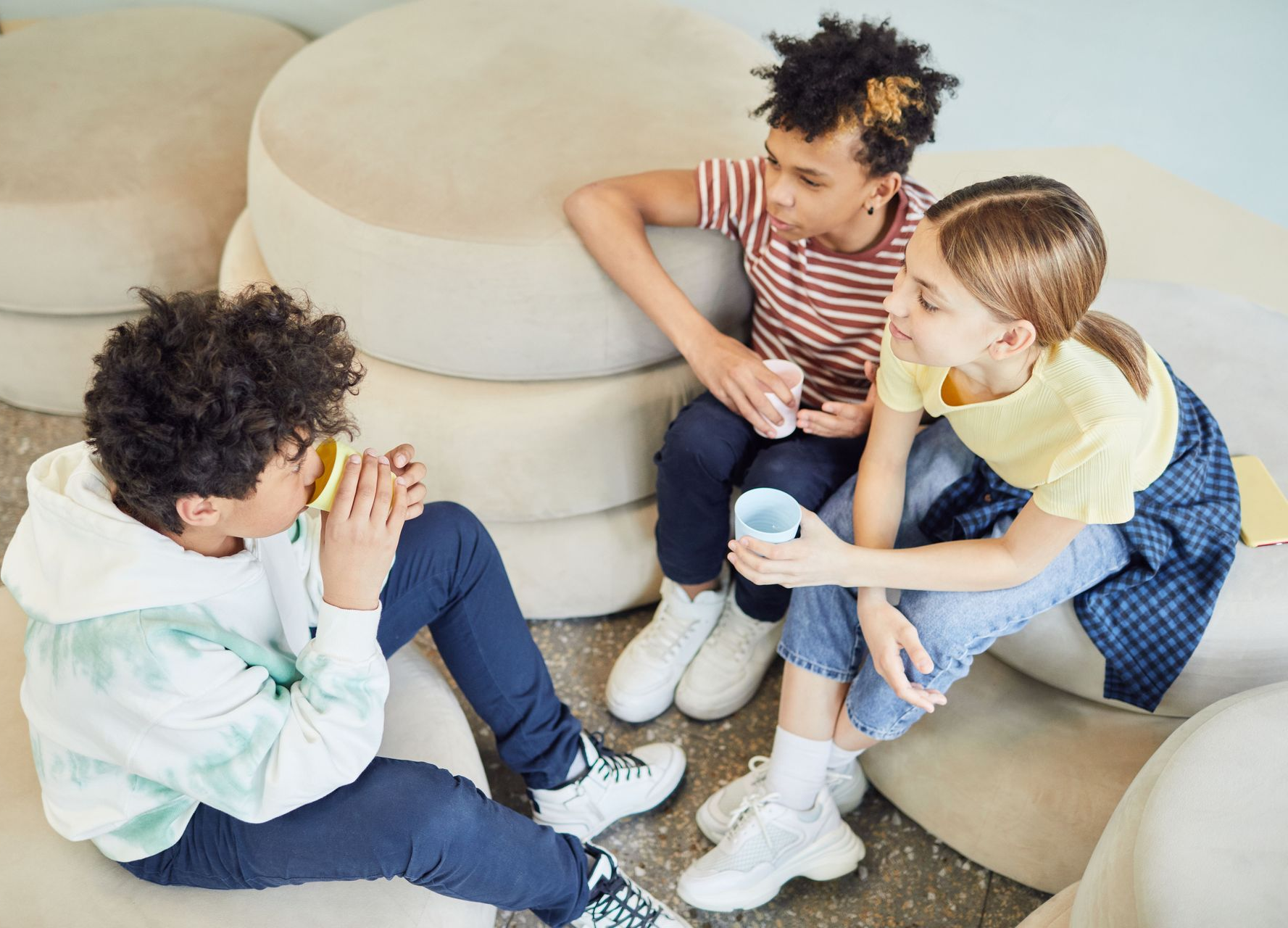

START WITH THE BASICS
What Do We Mean by "Socialization?"
People often use “socialization” to mean two things: spending time with friends and learning the expectations of society.
Your child can do both outside school. Friendships develop through time together and shared interests. Understanding social situations develops through family relationships and experiences with people in the wider world.
Unschooling gives you room to consider these needs individually, rather than assuming a classroom provides the right social experience for every child.
LOOKING AT YOUR CHILD’S LIFE
Where Do Unschoolers Find Friends?
Start with what your child enjoys. Theater, sports, gaming, art, volunteering, library groups, and neighborhood activities can bring them together with people who share those interests.
You don’t have to limit the search to unschooling families or children born in the same year. Look for people your child enjoys, then help them spend time together regularly.
Finding those connections can take effort. Offer invitations, exchange contact information, and help arrange another visit when your child meets someone they like.
See our collection of possibilites here:
What about Socialization? How Did Kids Who Don't Go to School Make Friends?
Does this Sound Familiar?
- How will they make friends without school?
- My child wants more company, but I don’t know where to look.
- Do online friendships count?
- They only want one or two friends. Is that enough?
- How will they learn to cooperate and handle disagreements?
- Everyone keeps questioning our decision.
WHEN YOU NEED SUPPORT
You Don’t Have to Answer This on Your Own
A list of activities won’t always answer the worry you’re carrying. You need help with your child’s situation: finding friends, joining a group, understanding an interaction, or deciding whether they want more social opportunities.
Sue’s resources and coaching give you somewhere to work through those questions. Get practical ideas for making connections and help separating your child’s needs from other people’s expectations.
FIND YOUR NEXT STEP
Get Help With Socialization
Unschooling Guide: Socialization
Worried about friendships without school? Rethink familiar ideas about socialization and explore ways to support connection, respect your child’s social preferences, and recognize the relationships already in their life.
Creating Confidence Community
Questions about friends and socialization can leave you second-guessing unschooling. Get encouragement from Sue and connect with parents exploring friendships, community, and the different ways children enjoy being social.
Private Coaching
with Sue
Worried your child isn’t getting enough social time, or that their friendships don’t look how you expected? Sue can help you understand your child’s social needs and explore ways to support connection that fits them.
What Changes When You’re Not Alone
Hear directly from families who have found confidence, connection, and steady support inside Unschooling Mom2Mom.

"Sue brings years of unschooling and homeschooling experience to her coaching. She is a fantastic listener who is gentle and non-judgmental. I found it invaluable to have someone to speak to whom I could bounce off about my fears, frustrations, and general questions."
-Tracy C, Kentucky
Button-
"Even though I had never met Sue, talking on the phone with her was like meeting an old friend. I left feeling reassured that there is a way to make this work for my family; even if it is hard sometimes, I can do it. Thank you, Sue!"
-Hilary, Arizona
Button -
"I feel so much joy each week after our coaching call. There are so many real, lovely, loving people in Sue's groups - and that is because of who she is."
- Becky, Oregon
Button -
"I wanted to work with someone more experienced to support my decision and reassure me during our transition to unschooling. I needed help staying in compliance with my school district. I needed more confidence in my decision too."
-Stevie, Virginia
Button -
"I wanted to send a big THANK YOU to let you know that I’m glad I found Sue! She does a magnificent job helping families around the world and in the sweetest and educational way possible!"
-Vane, Venezuela
Button -
"Sue, you have such great wisdom and practical advice. I LOVE your relaxed approached about learning and life. You help take the anxiety out of unschooling/homeschooling."
- Vanessa, Georgia
Button
Learn More About Socialization


But What About...?
Questions About Unschooling and Socialization
Does my child need school to make friends?
No. Children can meet through shared interests, activities, neighborhood connections, and online communities. Help your child find people they enjoy and opportunities to see them again. Friendship needs time and connection; attending the same school doesn’t guarantee either.
What if there aren’t many unschoolers near us?
Your child’s friends don’t have to unschool. Look for shared interests through local groups, classes, clubs, and community activities. You can also organize something yourself—a game afternoon or a regular park gathering gives other families a place to connect.
Are online friendships real friendships?
Yes. Children can build meaningful relationships through regular conversations, shared experiences, and mutual support online. Get to know those relationships and keep conversations open so your child can come to you for guidance when needed.
Are online friends real friends?
Yes. Shared interests, regular conversations, support, and experiences together can build meaningful friendships online. Pay attention to the quality of the relationship: respect, trust, care, and how your child feels around these people.
What if my child prefers a small social circle?
Consider whether your child is happy with the connection they have. A quiet child doesn’t need a busy calendar to match someone else’s idea of being social. Keep opportunities available and listen when they ask for more company.
How will my child learn social skills?
Everyday life offers opportunities to practice conversation, ask for help, make plans, and work through misunderstandings. Stay available to explain situations and help when your child is unsure. Social learning happens in families and communities, not only classrooms.
How do I respond when relatives ask about socialization?
Ask which part concerns them: friendships or learning how to interact with others. Then answer that question with examples from your child’s life. You don’t need to recite every activity your family attends to justify your decision.