
Pass the Bean Dip

Sue Patterson

Have you heard people reference this phrase? "Pass the Bean Dip."
Here's a short little explanation!


Over the years, women have shared ways to cleverly remove themselves from awkward situations.
One of these methods is frequently referred to as, “Pass the Bean Dip.”


The saying was circulated on a lot on message boards from the late 1990’s and early 2000’s. Some attribute the saying to someone named Joanne at The Well-Trained Mind forum. But I have my doubts.

It sounds like a southern saying to me, something passing from generation to generation. Conversations our relatives may have heard as they maneuvered their way through the church pot luck line.
Trying to avoid questions like,
“When are ya’ll gonna have a baby?” or “Did you hear about her husband?”

And instead of responding, Grandma or Aunt Marie or whomever else we were there with, would adeptly change the subject to something neutral... like the bean dip.

So we can borrow that technique from the brilliant women, these Potluck Peacemakers or Masterful Matriarchs. 😉

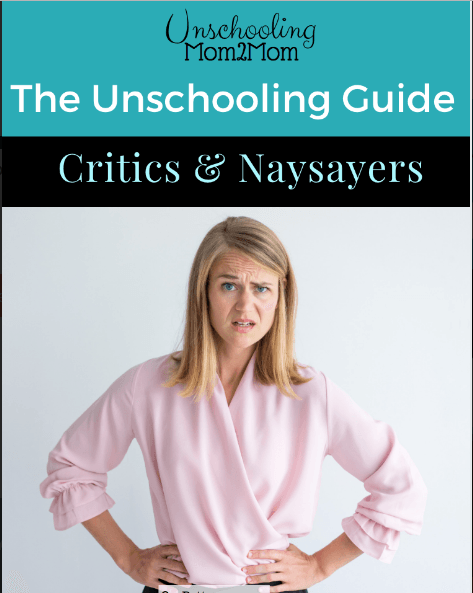
When someone is asking questions about how you are unschooling (or even parenting) your child, and you’re fairly sure they’re not really looking for answers, you can get out of the hot seat by using a little distraction:
“Pass the bean dip.”

Maybe you’re not ready to go toe-to-toe in an argument about your parenting choice, or maybe the time or place is not ideal.

“Oh dahlin', be a dear and pass the bean dip, would you please?”


This will be your ticket to breathe more easily and switch up the conversation.

It’s not unlike a sports or weather distraction,

“How ’bout those Rangers?” or
“Can you believe this weather?”

You can shift to asking THEM about THEIR children - or job or lives.
People really prefer to talk about themselves than listen to you anyway! 


“Could you pass me that bean dip?”


How do Unschooling moms make plans?
By Sue Patterson March 16, 2026
One of the questions unschooling parents ask all the time is: “But how do you plan anything?” Most of us were trained to believe planning means lesson plans, subjects, and assignments. So when you remove curriculum, it can feel like you’ve removed the roadmap too. But unschooling planning isn’t about deciding what your child must learn next. It’s about shaping a life where curiosity has room to grow.
Mom starting Pi Day - Kids Not Interested
By Sue Patterson March 12, 2026
Pi Day Without the Hype — When "Fun Learning" Falls Flat
two kids. Quirky kids? Unschooling & Neurodivergence
By Sue Patterson March 9, 2026
Learn why neurodivergent kids thrive outside traditional school—and how unschooling families use neurodivergent-informed parenting strategies to support all kids.
Real Life Learning opportunities with daylight saving time
By Sue Patterson March 7, 2026
Daylight Saving Time explained: Homeschooling and unschooling families discover 10 surprising facts and real-life learning opportunities when we change the clocks.
By Sue Patterson February 27, 2026
Struggling with unschooling doubt or feeling like you’re not doing enough? Discover how daily reinforcement helps homeschooling parents build steady confidence.
Where did your confidence go?
By Sue Patterson February 14, 2026
Feeling steady one day, and panicking the next?
Strewing the Winter Olympics
By Sue Patterson February 5, 2026
Homeschooling parents discover how kids learn naturally from the 2026 Winter Olympics through strewing—no curriculum, lessons, or checklists required at home.
Sunflower Deschooling  It's not a one-and-done thing
By Sue Patterson January 27, 2026
Deschooling isn’t a one-time phase homeschooling parents expect. As kids grow, familiar school-based fears return. Learn when to revisit deschooling and recalibrate.
Unschooling questinos
By Sue Patterson January 22, 2026
Feeling lost about teaching your kids? Sue Patterson shares unschooling reassurance and perspective on learning beyond school— without pressure, plans, or lessons.
Why deschooling is really for parents
By Sue Patterson January 13, 2026
When deschooling feels uncomfortable, it’s usually homeschooling parents—not kids—who struggle. Learn what’s really happening when learning looks “too relaxed.”
More Posts