
Learning Math
LEARNING MATH WITHOUT A CURRICULUM
How Do Unschoolers Learn Math?
You can see how your child learns through conversations, interests, and everyday experiences. But math may still feel like the subject that needs a workbook, a lesson plan, or someone making sure everything gets covered.
How will they learn multiplication? What about fractions, or algebra? And what if you don’t feel confident with math yourself?
Unschooling invites you to look beyond worksheets and notice how mathematical thinking develops through meaningful experiences. You can support that learning without turning your family’s life into a math lesson.

RETHINKING MATH
Math Is More Than What Happens in a Workbook
Math Is More Than What Happens in a Workbook
Math involves patterns, quantities, relationships, logic, measurement, and problem-solving. Written calculations are one way to work with those ideas, but they aren’t the only way.
When your child compares prices, adjusts a recipe, plans a building project, or works out a strategy in a game, they have reasons to explore mathematical ideas. Numbers help them do something they care about.
That doesn’t mean every activity needs a math explanation. You can answer questions, offer help, and explore alongside your child without interrupting their enjoyment to point out everything they’re learning.
WHEN TRUSTING LEARNING FEELS HARD
You Want to Trust Your Child, But Math Makes You Hesitate
Maybe you’ve watched your child learn so much by following their interests. You can see their curiosity, their problem-solving, and the connections they’re making. Then you think about math, and suddenly you wonder whether you should be doing more.
For many parents, math feels like the exception, the subject that must be taught in order, practiced every day, and measured against grade-level expectations. Even if you’re ready to leave other school routines behind, those beliefs can be hard to release.
You don’t have to ignore your questions to embrace unschooling. You can explore where those expectations came from, understand more about how children learn, and discover what supporting math looks like for your actual child..
Does this Sound Familiar?
- How will my child learn math if I’m not teaching it?
- What if my child falls behind without a math curriculum?
- Will they really learn multiplication and fractions through everyday life?
- My child hates math, what if they never want to learn it?
- How can I tell if my child is learning enough math?
- What if we miss important math skills without realizing it?
- How will they learn algebra if we don’t use formal lessons?
- How can I help my child with math when I struggle with it myself?
You can feel good about unschooling and still worry about math. Sue can help you work through those fears, recognize the learning already happening, and understand how to support your child as their needs change.
SUPPORT FOR YOUR QUESTIONS
You Don’t Have to Work Through This Alone
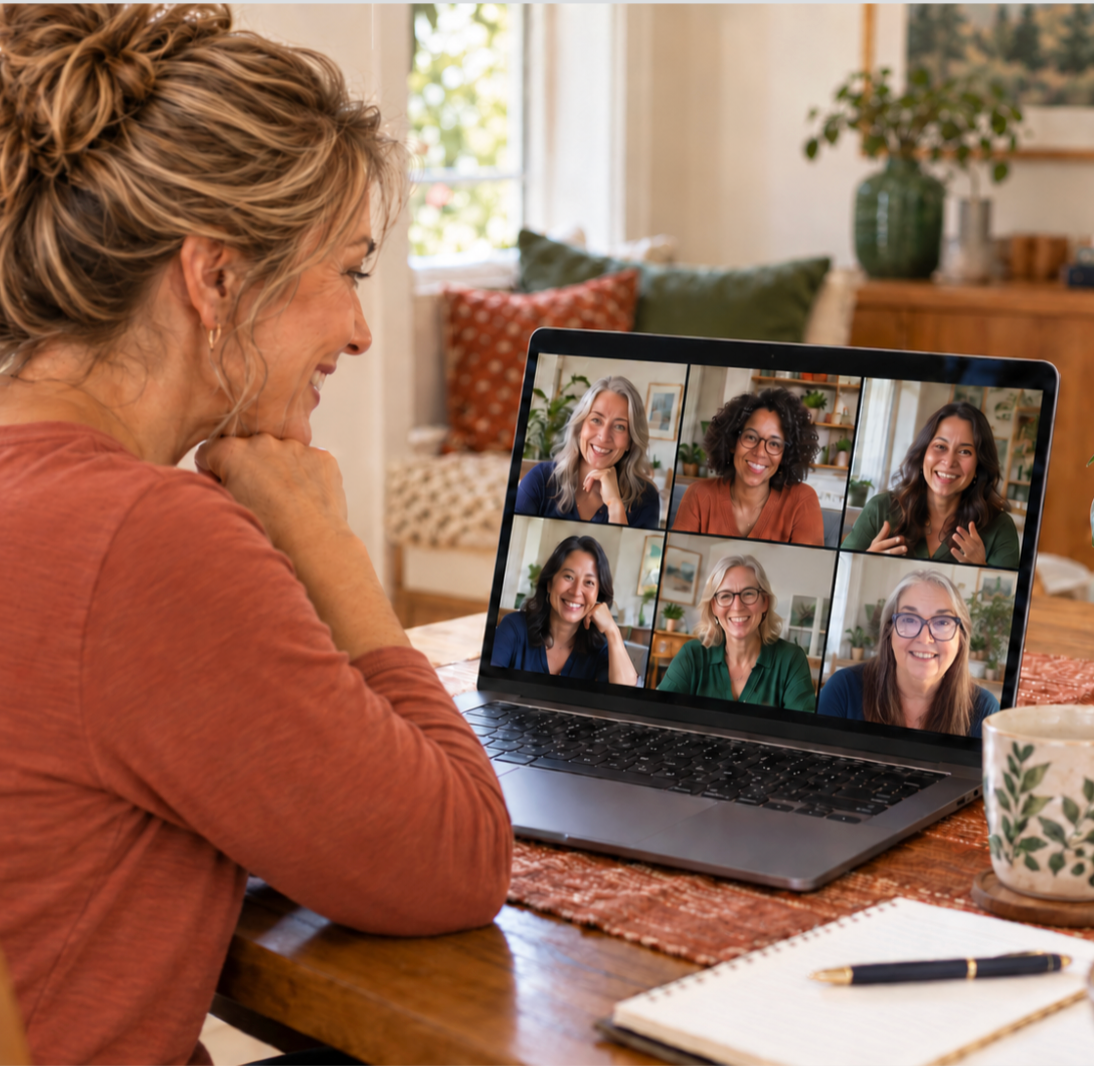
When math feels like the subject you can’t leave to chance, it helps to have someone you can talk it through with.
Sue can help you look at what’s happening with your child, recognize mathematical thinking you may be overlooking, and untangle school expectations from the support your child actually needs. There’s room for your questions here, even the ones that keep coming back.
Together, you can explore ways to support math learning that make sense for your child and your family.
FIND YOUR NEXT STEP
Get Help With Unschooling Math
Learning Math Guide
Math doesn’t have to mean worksheets and daily lessons. Discover math in everyday life and explore ways to support your child while working through your own worries.
Academics Bundle
Get reassurance about reading, writing, and math in one collection. Includes all three learning guides plus the Everything Counts eBook to help you recognize learning beyond school subjects.
Everything Counts
Wondering whether your child’s interests really “count” as learning? Shift your perspective and begin recognizing the learning woven through play, conversations, hobbies, and everyday life.
Learning Math without a Curriculum Course
Explore how learning happens without lesson plans or school assignments. Build your understanding of unschooling and feel more confident supporting your child’s curiosity.
Creating Confidence Community
Math worries can creep back in, even when you feel good about unschooling. Bring your questions to Sue and connect with parents who are also learning to recognize math beyond lessons and worksheets.
Private Coaching
with Sue
Talk through what’s worrying you about math in your family. Sue can help you untangle school expectations, notice your child’s mathematical thinking, and explore ways to support their learning.
What Changes When You’re Not Alone
Hear directly from families who have found confidence, connection, and steady support inside Unschooling Mom2Mom.

"Sue brings years of unschooling and homeschooling experience to her coaching. She is a fantastic listener who is gentle and non-judgmental. I found it invaluable to have someone to speak to whom I could bounce off about my fears, frustrations, and general questions."
-Tracy C, Kentucky
Button-
"Even though I had never met Sue, talking on the phone with her was like meeting an old friend. I left feeling reassured that there is a way to make this work for my family; even if it is hard sometimes, I can do it. Thank you, Sue!"
-Hilary, Arizona
Button -
"I feel so much joy each week after our coaching call. There are so many real, lovely, loving people in Sue's groups - and that is because of who she is."
- Becky, Oregon
Button -
"I wanted to work with someone more experienced to support my decision and reassure me during our transition to unschooling. I needed help staying in compliance with my school district. I needed more confidence in my decision too."
-Stevie, Virginia
Button -
"I wanted to send a big THANK YOU to let you know that I’m glad I found Sue! She does a magnificent job helping families around the world and in the sweetest and educational way possible!"
-Vane, Venezuela
Button -
"Sue, you have such great wisdom and practical advice. I LOVE your relaxed approached about learning and life. You help take the anxiety out of unschooling/homeschooling."
- Vanessa, Georgia
Button
Learn More About Unschooling Math
But What About...?
Questions About Unschooling Math
Do unschoolers ever use math books or take classes?
Yes. Unschooling leaves room for books, apps, videos, tutors, and classes when they serve your child’s interests or goals. You don’t have to avoid a resource simply because it looks like something used in school.
What about algebra and more advanced math?
Everyday experiences don’t automatically cover every advanced topic. When your child wants or needs particular skills, for college, a career, or an interest, you can help them find suitable resources and support. Learning intentionally is part of unschooling, too.
What if my child says they hate math?
Get curious about what “math” means to them. They may be reacting to worksheets, timed tests, correction, or pressure. Give them room to enjoy their interests without turning those interests into assignments, and offer help when it’s welcome.
What if I’m not good at math?
You don’t have to know every answer. You can look things up, explore a question together, or connect your child with someone who can help. Your willingness to learn alongside them matters.