
The Power of the Reverse Bucket List
Guest Blogger
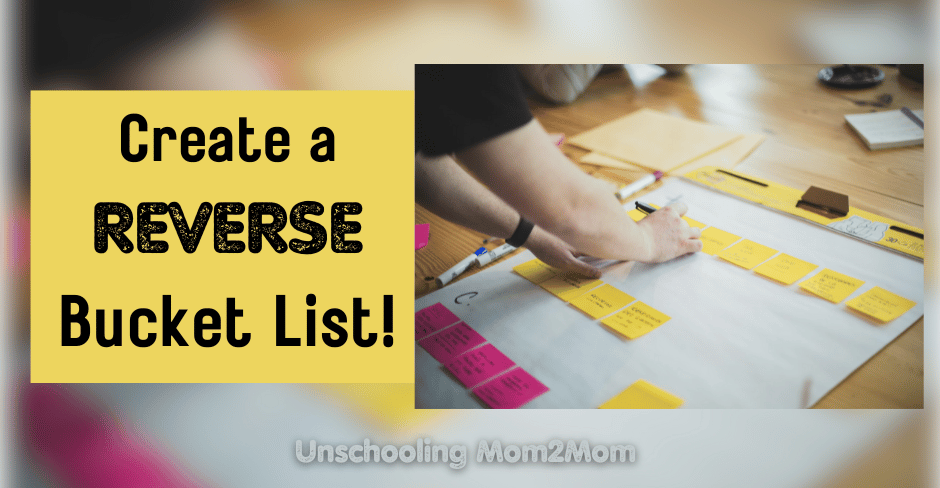
Celebrating Family Achievements
In a survey of 2,000 people, some 95% of people had a bucket list, 21% changed this list once and month, and 66% planned on achieving at least one item on the list within the following year. While having goals and dreams is a great way to stay motivated and lead a meaningful life, when it comes to family, one quality stands out: gratitude. Family units as a whole often have many dreams, including traveling the world together, saving for a child’s college fund, and taking part in a myriad of experiences together. As the year comes to a close, however, it can be equally meaningful to celebrate what you have already achieved together—by creating a reverse bucket list.
What is a Reverse Bucket List?
A reverse bucket list is one that lists things that your family has already achieved. It follows the idea behind these sage words by Eckhart Tolle:
“Acknowledging the good that you already have in your life is the foundation for all abundance.”
In the US, Thanksgiving taps into this idea, gathering family members around the table to give thanks for family, friends, and good food. But you can have another ceremony; one in which your family members gather and make a shared list of the experiences that helped them grow, learn about each other, and strengthen their bonds as a family. These experiences don’t have to involve the whole family. For instance, some items on the list can represent shared experiences between siblings, while others can represent those between parents. A reverse bucket list can be made during a time when everyone is together—some time during the holidays or after the new year.
What To Put On Your List: Start With Experiences
An easy place to commence when you are crafting this list is with fulfilling experiences. Did you go camping together, or go abroad? Enjoy any day trips or adventures? List these down and write at least two or three sentences about the funny, meaningful, or special things that happened. Experiences can also include community efforts such as volunteering. Did you take part in any beach clean-ups this year? Were any family members involved in fundraising? Think about all the ideas you will probably come up with for next year when everyone is together and can share knowledge about projects that more of you can take part in.
Celebrating Moments of Connection
Families can also celebrate the moments of closeness and discovery between two people. Being in a family often involves resolving conflicts and arriving at a deeper understanding of each other. Think about moments during the year when you came to a win-win solution to a problem, made a group decision for the better, or moved past a difficult moment, infusing it with humor, acceptance, and love.
Personal and Professional Accomplishments
List the things that each of you has accomplished throughout the year. Someone might have had a promotion, another might have overcome anxiety. Someone else might have learned new math skills. Let each family member discuss the things they have accomplished, encouraging them to list small accomplishments as well. Family members should encourage, and congratulate the person, so they feel validated and heard.
Celebrating Financial Stability
Financial matters can also make it to your reverse bucket list. Without going into great detail, family members can congratulate themselves on saving for goals, sticking to a budget, and maybe even making their first forays into investment. This category in particular is a great way to share pertinent information and tips that can help improve other family members’ financial knowledge and useful tips in areas like earning a passive income.
Bucket lists are inspirational and aspirational, and many great thinkers and academics recommend that we should have bucket lists with items we can tick off so we feel like we are accomplishing things. However, a reverse bucket list can be just as beneficial, as it encourages us to be thankful and joyful for what we have already achieved. Creating a reverse bucket list as a family is an opportunity to build closer connections and share key information that can improve others’ personal, professional, or financial futures.
Guest Blogger: Briana Hilton spent eight years working as a child development specialist before taking a step back to start a family of her own. She has since returned to her first love of writing and enjoys contributing to a range of publications, both in print and online.
2 Tools to Use to Create Your REVERSE Bucket List:

A New Year's Workbook for Unschoolers is perfect for looking back on 2023 to remember and record the experiences that took place all year.
The Video Guide gives a framework for interviewing family members so you have a video recording of their impressions of this past year.
Many families use these tools in January as the new year kicks off. But others do this retrospective review on Birthday months or in May (at the end of the traditional school year) or August, as the new school year is beginning. Sometimes the holidays are too chaotic for this - and luckily, you can do this however you'd like! Flexible for the Win!
This Facebook widget is no longer supported.

Do homeschoolers get enough socialization? Explore how unschooled children build friendships, social skills, and discernment without classroom conformity.
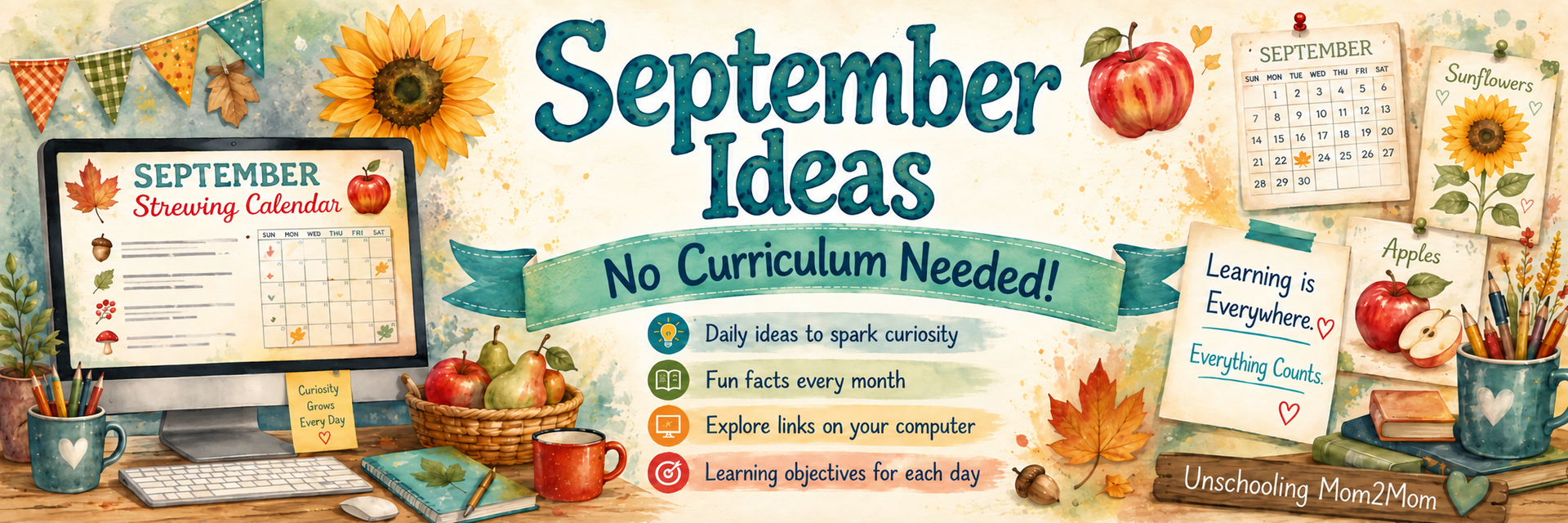
Find fun September homeschooling ideas without curriculum. See how strewing helps kids learn naturally through cooking, animals, seasons, and everyday life.
Daily unschooling support for homeschooling parents to build confidence, handle outside pressure, and now includes monthly group coaching calls with Sue Patterson

Starting homeschooling after school refusal? Learn why recovery, trust & connection matter more than rushing into curriculum or another rigid plan. You're not alone.

...and it feels a little weird.

Your child isn’t going back to school. Learn how to start homeschooling or unschooling without rushing into curriculum, rigid schedules, or recreating school at home

Wondering why unschooling feels like it isn’t working? Learn how school timelines fuel fear, hide real progress, and make learning harder to trust.

Many unschooling parents feel isolated because they don't have local families who understand their educational choices. Here's why finding an community matters.
Worried your child is behind? Learn why unschooling challenges traditional learning timelines, what healthy learning really looks like.

Summer is the Perfect Time to Rethink Homeschooling Feeling pressure to choose curriculum, fix learning gaps, or make plans for next year? This episode explores why summer is a natural transition season for homeschooling and unschooling families, how to let go of educational timelines, and how to recognize learning that is already happening.