Why Unschooling Feels Like You’re Doing Nothing (And Why That’s So Hard to Trust)

Why Unschooling Feels Like You’re Doing Nothing
...And Why That’s So Hard to Trust
There’s a moment most unschooling parents run into...
You look around your house and nothing stands out as “learning.”
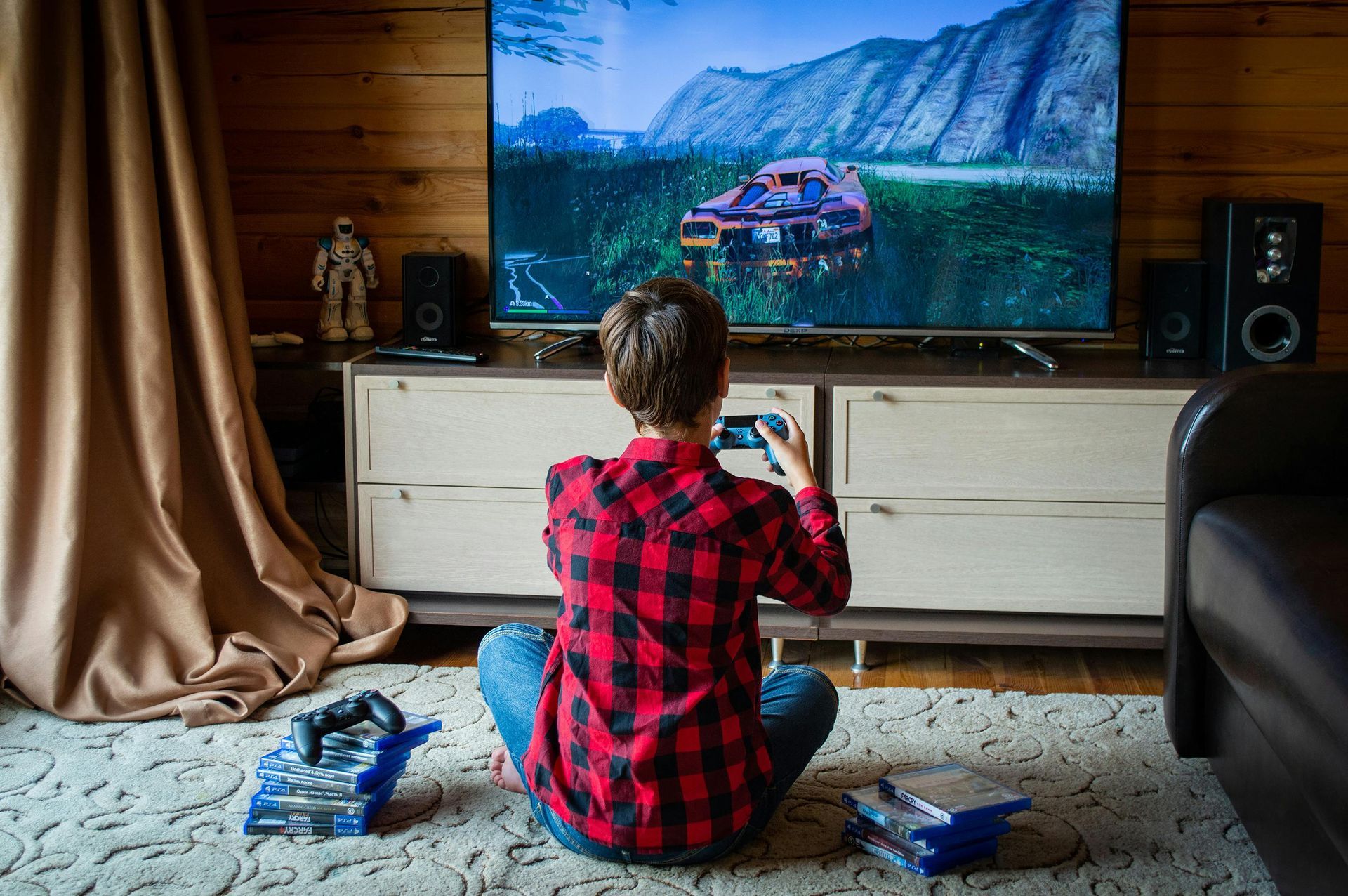
One child is watching something, another is stretched out on the couch, someone else is halfway engaged in a game or scrolling through their phone. The day doesn’t look structured, and there isn’t anything you can point to as progress.
Nothing seems to be moving forward the way you expected it would.
That’s usually when that familiar question shows up.
Is this enough?
It’s not always a dramatic reaction. More often, it’s a quiet uneasiness that lingers in the background. If learning is supposed to be happening, shouldn’t it be easier to recognize?
Why It Feels This Way
That feeling has less to do with what your child is doing and more to do with how you were taught to recognize learning.
Most of us grew up in environments where learning followed a predictable pattern and a predictable timeline.
We learned to expect visible progress:
One lesson leading to the next, one grade following another.
"Progress" could be measured almost every day.
It was explained, practiced, and then measured in ways that made progress visible.
Over time, that becomes the default lens.
You learn to associate learning with output, with proof, with something you can clearly identify.
When your day doesn’t include those familiar signals, your brain doesn’t automatically interpret what it sees as learning.
It doesn't just register a gap. It registers a delay -
as if learning should be farther along by now.
This creates the feeling that nothing is happening, even when the day is full. 🤦🏻♀️
The Part That Feels Hard to Admit
This is where things start to shift from mild uncertainty into something heavier.
At first, the day just feels unproductive.
A little off. Like maybe you should be doing something differently.
But it doesn’t usually stay there.
For a lot of parents, it quickly turns into something harder to sit with.
It starts to feel irresponsible.
Like you’re supposed to step in and fix it.
Add something or create a little more structure.
We feel pulled to make learning happen in a way that’s easier to recognize.
Or maybe easier to measure against the timeline we've always carried around in our heads.
And if you don’t, it can feel like you’re letting something important slip.
That’s the part most people don’t say out loud.
But it’s there.
What You’re Seeing, But Not Fully Recognizing Yet
That feeling doesn’t come out of nowhere.
It comes from looking at a day that doesn’t match what you expect learning to look like.
Because a lot is happening here, even if it doesn’t stand out at first.
- A child watching videos is picking up patterns in language, tone, and storytelling.
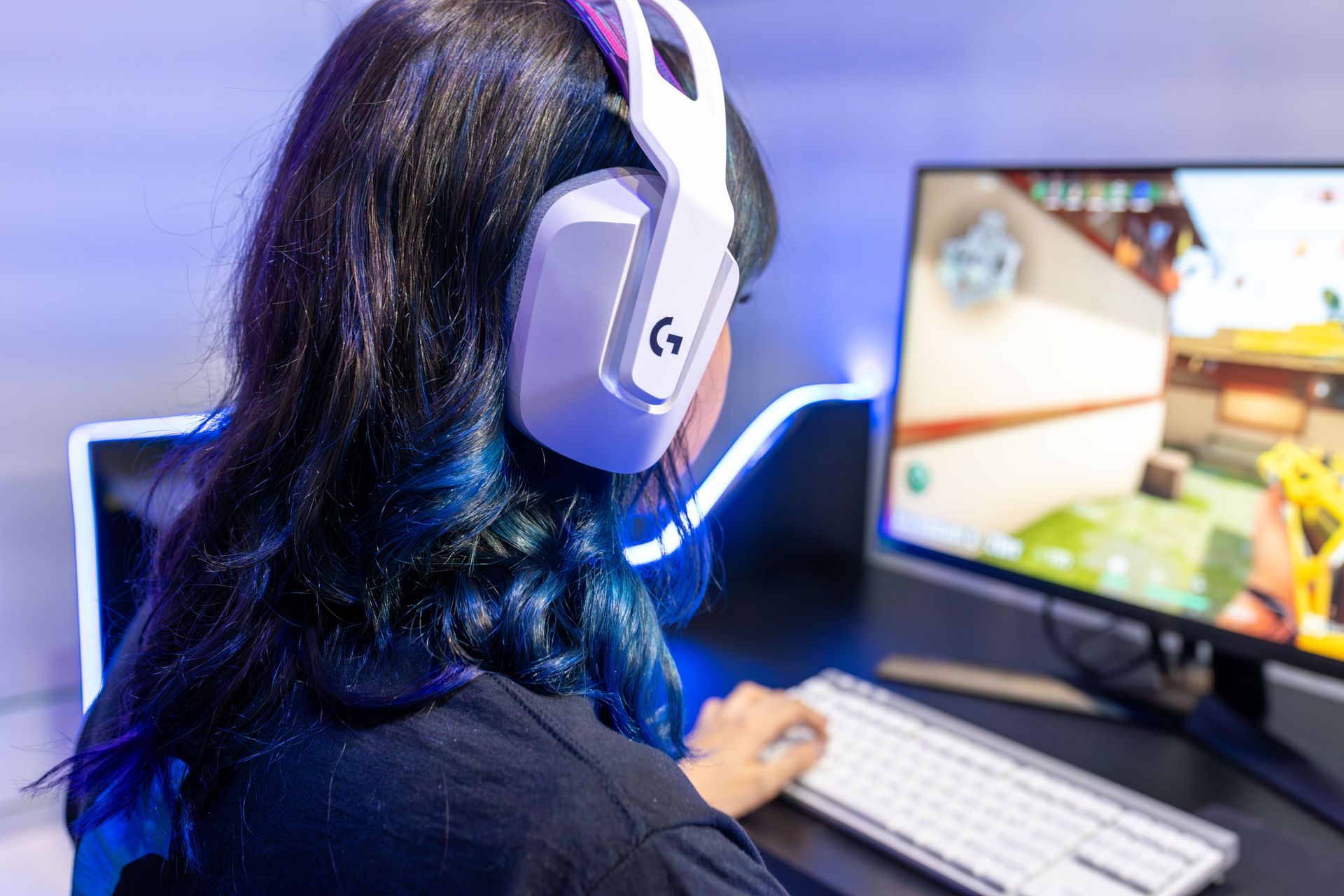
- Gaming often involves strategy, decision-making, and persistence over time.
- Conversations that seem casual on the surface are building reasoning, communication, and the ability to form and express ideas.
- Even the slower parts of the day have a role: Processing, thinking, following interests internally before they show up in more visible ways.
None of this is especially noticeable in the moment. Learning that unfolds naturally rarely announces itself.
It doesn't happen in neat daily increments. It doesn’t stand out the way a finished worksheet or completed assignment would.
It accumulates quietly until one day you suddenly realize your child has changed.
That’s why it’s easy to overlook.
If you want to see how this builds across a full day, it can help to look at Is This Enough? What Unschooling Actually Looks Like Day to Day, where those patterns become easier to recognize.
Why This Triggers So Much Fear
What makes this moment so intense is that it doesn’t stay contained to the day itself.
When learning is hard to see, it naturally raises bigger questions.
We wonder if they're really learning enough?
Will this affect their future?
Am I missing something important?
Those questions don’t come from nowhere.
They come from years of being shown what progress is supposed to look like... and when it's supposed to happen.
We weren't just taught what children learn.
We were taught when they should learn it.
So when our own children don't match that internal timeline, it's easy to assume something is wrong.
That's where the tension begins. We've stepped away from the traditional school approach, but you're still looking through a school lens. Pieces of our own school conditioning are still living in our expectations.
The Pull Toward Structure
At this point, it’s very common to feel the urge to adjust something.
It might be small. Suggesting a more “productive” activity, adding a bit of direction to the day, or trying to bring in something that makes learning feel more visible.
Even when it’s subtle, it usually comes from the same place: wanting the day to feel more solid and easier to trust.
Structure has always been associated with stability, so it makes sense that your brain reaches for it here. Timelines feel safe because they tell us we're on track.
What Actually Changes Over Time
The shift that happens in unschooling isn’t usually about doing more.
It’s about seeing more clearly.
You stop looking for evidence that your child is keeping up.
You start noticing the child in front of you.
Over time, you start to notice patterns in what your child returns to.
Maybe the biggest shift isn't in your child at all.
Maybe it's letting go of the timeline that has been quietly telling you what learning is supposed to look like.
Once that begins to loosen, you see how interests deepen and how skills build gradually, even when nothing is being tracked.
The day itself may not look dramatically different, but your ability to interpret it changes.
You notice far more than you ever expected, and you begin to feel you're on steadier ground.
Where Structure Fits In
Structure doesn’t disappear in an unschooling home, but it shows up in different ways than most people expect. It often comes through rhythms that develop naturally in your week, shared routines that anchor the day, and the kinds of environments that make curiosity easier to follow.
It’s less about controlling time and more about creating conditions that support learning and connection.
If you’ve been trying to figure out how to create days that are like this, we're focusing on these things inside
Creating Confidence.
We aren't adding more for you to manage.
Just helping you recognize what’s already working and build from there. Whether you learn from others in the community, or the daily app of reassurance, it will help you see what IS working, and offer ideas to fix the things that might not be.
You’re Not Missing It
If your days are feeling too open-ended right now, you’re not off track.
You’re in the part where learning doesn’t look the way you expect it to yet.
That takes time to adjust to.
And once that shift happens, the question of whether anything is happening starts to lose its weight.
Because you can see it for yourself.
DAILY
Unschooling App
Unschooling Community Support
Private 1:1 Call
with Sue