What Does an Unschooling Day Look Like - Real Life Examples By Age

What Does an Unschooling Day Look Like?
Real-Life Examples by Age
If you’ve ever searched for an unschooling daily routine, you were probably hoping to find a schedule or a rhythm you could follow.
At least a rough outline of what the day is supposed to look like!
And instead, you keep finding answers like:
“It depends.”
“Every family is different.”
Which... isn’t very helpful when you’re standing in your kitchen wondering what today is supposed to look like.
So let’s make this more concrete.
Not a schedule you need to follow. Just a clearer picture of what unschooling can actually look like in real life.
First, a Quick Reality Check About Unschooling Schedules
Before we get into examples, it helps to know this:
Unschooling does not follow a fixed daily schedule.
That doesn’t mean your days are chaotic or directionless.
It just means the structure comes from your life, not from a preset plan.
That’s the part that can feel confusing.
Because most of us were taught that structure has to be created in advance. In unschooling, structure shows up through patterns, interests, and daily rhythms instead.
If you’re still trying to figure out whether that’s actually enough, this breakdown of
Is This Enough? What Unschooling Actually Looks Like Day to Day can help you see what’s happening underneath the surface.
What an Unschooling Day Can Look Like (Ages 5–8)
Younger kids tend to move through the day in a very natural rhythm.
A typical day might look like:
- slow morning, cartoons or YouTube
- building with LEGO or playing pretend
- going outside, biking, or exploring
- helping with cooking or baking
- asking questions throughout the day
- listening to stories, audiobooks, or being read to
It can look simple - maybe even repetitive.
But this is where a lot of foundational learning happens:
- language development
- problem solving
- creativity
- physical coordination
It just doesn’t look like lessons.
What an Unschooling Day Can Look Like (Ages 9–12)
This is often where things start to look less “hands-on” and more interest-driven.
You might see:
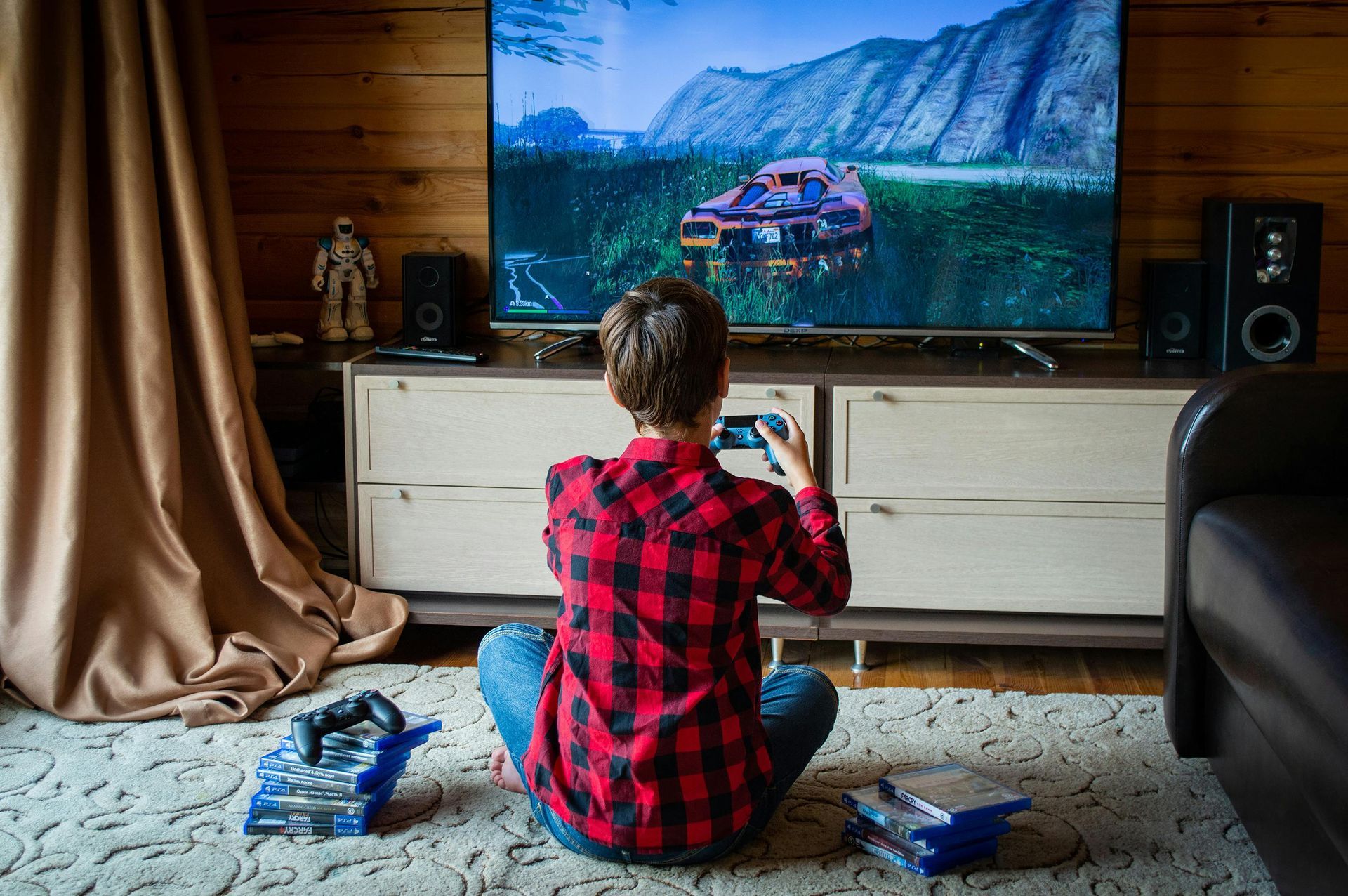
- long stretches of gaming
- watching tutorials or deep-diving into topics online
- texting or talking with friends
- working on personal projects in bursts
- researching things that catch their interest
From the outside, this is where many parents start to worry.
Especially if they see it as:
“too much screen time”
or
“not enough structure”
But internally, this is often when:
- critical thinking increases
- persistence develops
- interests deepen
It’s also where learning becomes less visible, which is why this stage often triggers doubt.
What an Unschooling Day Can Look Like (Teens)
Teen days can look even more independent.
A typical day might include:
- sleeping in or shifting sleep schedules
- independent learning through videos, courses, or communities
- creative work like writing, art, coding, or design
- part-time jobs, volunteering, or social activities
- deep focus on specific interests
At this stage, learning often looks the least like school and the most like real life.
Which can feel reassuring... or unsettling, depending on the day.
Why These Days Feel So Unstructured
If all of these examples feel a little loose, that’s because they are. Unschooling is not built around controlling time. It’s built around supporting curiosity and connection.
That means the structure stays flexible. Parents are responsive as the activities and interests vary from day to day.
When this isn't matching what we were taught structures should look like, it's easy for parents to start to feel like something is missing.
What “Structure” Actually Looks Like in Unschooling
Structure in an unschooling home doesn’t disappear though. It just shifts.
Instead of fixed schedules and assigned subjects, you start to see the natural rhythms of the week. When the focus isn't on
planned outcomes, interests can repeat, and patterns in energy and focus can surface. Families end up with more shared routines - meals, outings, connection time.
This kind of structure is easier to miss at first, but once you see it, it changes how the day feels.
When You Still Feel Like You Need More Structure
There’s a point where many parents start thinking:
“Okay, I understand this... but I still feel like we need something.
Not a full curriculum. Just... something more."
That’s a really normal place to land.
And it’s exactly why we’re focusing on structure this month inside Creating Confidence Daily.
When we're stepping away from a school-style structure, we can notice what's already working and create a rhythm that fits the family. Seeing structure in this new way allows you to feel less like you’re guessing your way through the day.
Each day is a small reset. A short voice note, a shift in perspective, or something practical to notice so the day doesn’t feel so open-ended.
If you’ve been wanting a little more steadiness without turning back to school, you can try Creating Confidence Daily for free for 7 days and see if it fits what you need right now.
There Isn’t One “Right” Unschooling Day
If you were hoping for a schedule you could copy, this probably didn’t give you that.
But it should give you something more useful:
A way to recognize what’s already happening.
Unschooling days don’t need to look impressive to be effective.
They just need to work for your child and feel sustainable for you.
When those two things line up, the question of “what should this look like?” starts to matter a lot less.
Frequently Asked Questions About Unschooling Days and Routines
→Do unschoolers follow a daily schedule?
Unschoolers typically do not follow a fixed daily schedule the way traditional school or structured homeschooling does. Instead, days are shaped by natural rhythms, interests, and real-life activities. While there may be consistent routines like meals, outings, or family time, learning is not separated out or organized into set subjects or time blocks.
→ What does a typical unschooling day look like?
There isn’t one “typical” unschooling day, but most include a mix of everyday activities like watching videos, playing games, spending time outdoors, having conversations, and working on personal interests. The exact flow will vary by age, personality, and what’s happening in your family’s life. If this is new for you, you might try thinking of a Saturday... how does that flow at your house?
→ How do I know my child is learning without a curriculum?
Learning in an unschooling environment shows up through patterns over time rather than daily output. You may notice your child developing skills, asking more complex questions, solving problems, or going deeper into topics they care about. These are all signs of learning, even if they don’t look like traditional schoolwork.
If you’re still unsure whether what you’re seeing is “enough,” it can help to look at this more closely in Is This Enough? What Unschooling Actually Looks Like Day to Day, where this shift is broken down in a more practical way.
→ Is it normal for unschooling to feel unstructured?
Yes. Many parents feel like unschooling is too unstructured at first because it doesn’t follow the systems they’re used to. That feeling usually comes from expecting learning to look like school. Over time, as you begin to notice patterns and rhythms, the structure becomes easier to see.
→ Should I add structure to my unschooling day?
If you feel like your days need more stability, it’s okay to add gentle structure, but it doesn’t have to look like school. Instead of creating strict schedules or lesson plans, many families focus on building simple rhythms, shared routines, and more intentional connection throughout the day.