Is Unschooling Enough? What It Really Looks Like Day to Day

Podcast Transcript:
If you’ve ever searched what does unschooling look like day to day or wondered whether your child is actually learning without a structured plan, you’re not alone.
Most parents hit this moment at some point.
You look around your house and take a mental snapshot.
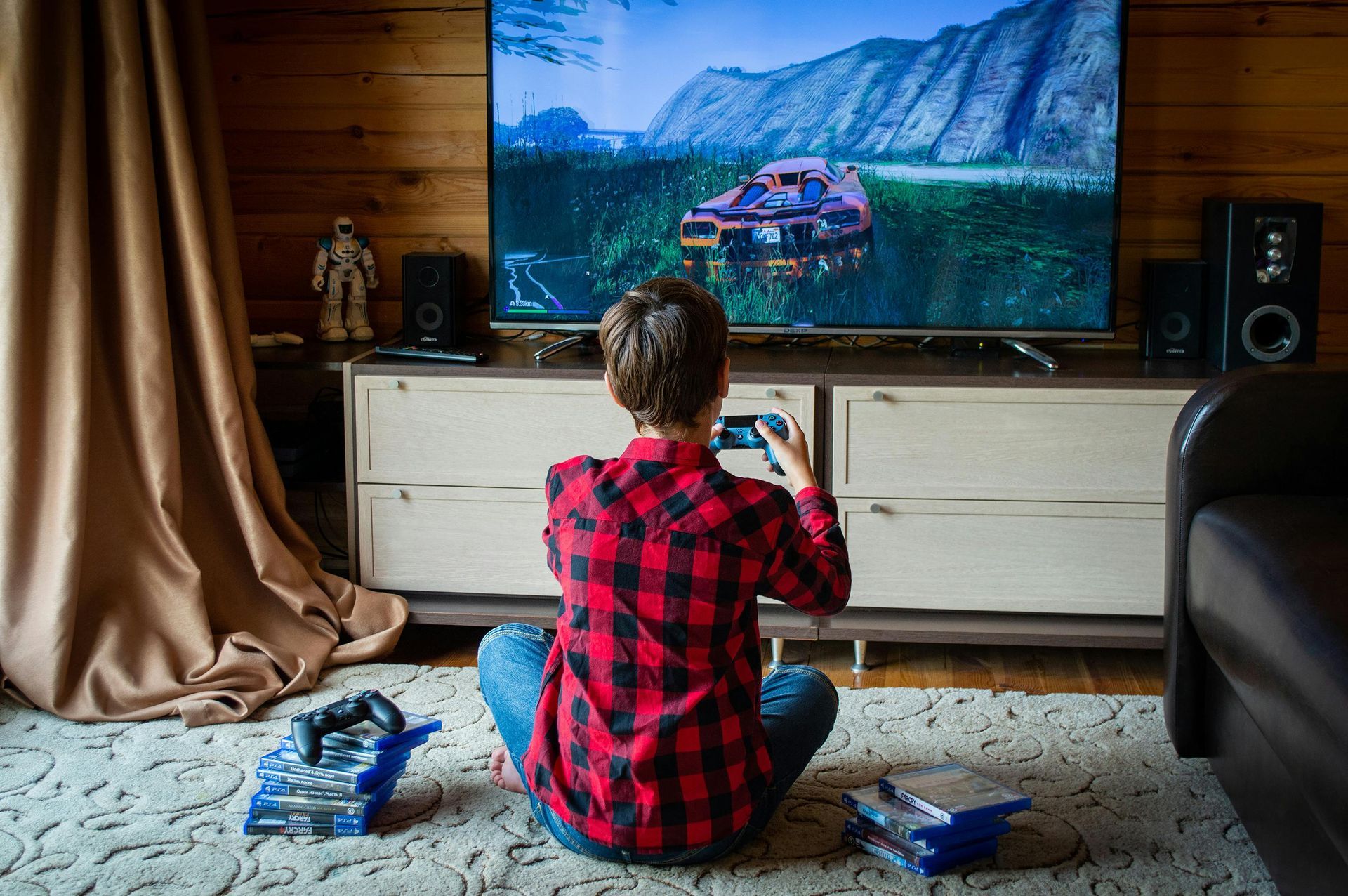
One child is watching something.
Another is playing a game.
Someone else is scrolling or talking to friends.
Nothing about it looks like school.
And the question shows up quietly in the background:
Is this enough?
Why Unschooling Doesn’t Look Like Traditional Learning
Traditional education trains us to recognize learning in very specific ways:
A lesson is taught or a skill is practiced.
Progress is visible and measurable.
Because of that, many parents expect learning to be obvious.
When you move into unschooling, those familiar signals disappear.
Not because learning has stopped, but because learning is no longer organized around instruction and output.
Instead, it shows up through conversations, interests, repetition, and real-life experiences.
This shift is often what makes unschooling feel uncertain at first.
When Unschooling Feels Unstructured
One of the most common concerns parents have is that unschooling feels too unstructured.
You might notice thoughts like:
“I should be doing more.”
“This doesn’t look like learning.”
“What if they’re falling behind?”
These thoughts are not random.
They come from years of being taught that learning requires teaching.
That belief doesn’t disappear just because you choose a different approach.
If that internal pressure feels familiar, it’s part of a larger pattern explored in Homeschooling Doubt vs. Unschooling Confidence: Why Reinforcement Matters, where those reactions tend to come from.
What Unschooling Looks Like in Real Life
Unschooling does not follow a fixed schedule or daily routine.
Instead, learning happens through everyday life.
A typical unschooling day might include:
- watching videos and picking up language, storytelling, or ideas
- playing games that involve strategy, persistence, and problem solving
- having conversations that build reasoning and communication skills
- working on projects that start, stop, and evolve over time
Some days feel productive. Others feel quiet.
Both are part of the process.
Why It Can Feel Like “Not Enough”
The hardest part of unschooling is not what children are doing. It’s how parents interpret what they see.
Unschooling changes the definition of learning.
That creates a gap between what is happening and what you expect to see - that's what leads to doubts.
This is also when parents start trying to add structure back in, not because it’s necessary, but because it feels more familiar.
If you’ve felt that pull, it’s closely related to the question of wanting to “do more,” which is explored further in
“I Want to Do More to Teach”… Why That Feels So Confusing.
What to Look for Instead
As you spend more time observing, you begin to notice different indicators of learning.
Instead of focusing on output, look for:
- what your child chooses to do without being told
- what they return to repeatedly
- how they approach challenges
- what they talk about when they are relaxed
These patterns provide a more accurate picture of how learning is developing.
This shift also changes how planning works. Instead of creating lessons, you begin shaping an environment that supports curiosity and connection. If that feels unclear, see How Do Unschooling Parents Make Plans? for a practical breakdown.
Why Confidence Comes and Goes
Even when you understand unschooling, confidence can fluctuate.
One day it feels clear. The next day it doesn’t.
This is not a sign that something is wrong. It reflects how deeply school-based thinking is ingrained.
Confidence in unschooling builds through repeated exposure to new ways of seeing learning, not through a single decision or realization.
If you’ve experienced that cycle, it’s explained more fully in
The Real Reason Your Unschooling Confidence Disappears (And How to Strengthen It).
Daily Encouragement from Sue!
That’s why I made the Craeting Confidence Daily app! When you need something a little more than a weekly podcast, it's just a couple minutes each morning with me in your ear, helping you build confidence step by step.
You can try it free for 7 days and see if it fits.
When Understanding Isn’t the Hard Part
At this point, most parents understand what unschooling is supposed to look like.
That’s not usually the problem.
The hard part is holding onto that perspective when real life kicks in.
When the house looks messy. When the day feels unproductive.
When someone asks a question that makes you second guess everything.
That’s where most parents get stuck.
Not because they don’t believe in unschooling.
Because they’re trying to hold onto a completely different way of thinking… in a world that keeps reinforcing the opposite.
That’s why support matters.
Inside the Creating Confidence Community, these are the exact conversations we’re having every week. Real-life situations, real questions, and a space to sort through what’s actually going on without defaulting back to school-based thinking.
You don’t have to figure this out on your own.
You can learn more about the Creating Confidence Community here and see if it feels like the right kind of support for your family.
What Changes Over Time
The shift in unschooling is gradual.
Children do not suddenly change how they learn. Parents change how they recognize learning.
Over time, you begin to see:
deeper engagement in interests
increasing independence
more confidence in problem solving
more meaningful conversations
Learning becomes easier to recognize, even though it still doesn’t look like school.
You’re Not Missing Something
If you’re wondering whether unschooling is enough, that question is part of the process.
It usually means you are in the middle of adjusting how you understand learning.
That takes time.
And it becomes much easier when you’re not trying to figure it out on your own.